women

Women’s Voices

Women are disproportionately affected by environmental degradation. As household ‘resource managers,’ women walk farther when water runs out; they work harder for less when changing rainfall wreaks havoc on crops.  Women’s rights are an essential part of the environmental justice movement—by empowering women’s perspectives, agendas, and leadership, the environmental movement can create change where it’s needed most.

“In many regions, migration has left households in the hands of women with the strength, desire, and need for adequate work. With support from Global Greengrants Fund, local women’s cooperatives have built efficient, profitable, and sustainable businesses.”
Laura Peréz-Arce, Greengrants Grantee

Greengrants grantees are working to ensure that women’s voices are heard. Check out our focus piece on Women.

1/3 of Greengrants grants have gone to organizations run by women

Women are powerful leaders in addressing environmental challenges. They tend to suffer more from resource-related migration, climate change, and environmental disasters, but because they are closest to the problems, they are also closest to the solutions. Women’s voices are powerful assets in the fight for environmental sustainability, just as women themselves can be powerful actors in environmental stewardship. 

In Russia, 70% of Greengrants grants are made to women-led organizations


Greengrants supports organizations led by and for women in promoting inclusive decision-making processes—advancing women’s leadership, not just on environmental issues, but on all issues.


Initiative Group of Yakutsk “Health”

Russia

Over the last decade, pollution from rapid industrial growth and gold mining has contributed to a steady decline in the health of local indigenous peoples near Yakutsk, Russia.  In 2010 Greengrants funded Health, a group of female doctors and activists, with $2,000 to improve the health of families in the region.  The women of Health travelled to remote settlements to educate local people—especially pregnant women—about the dangers of their low-quality drinking water. They also suggested strategies for the women to protect their own and their families’ health, empowering them to make informed, healthy choices.

An International Water and Sanitation Center study of local water and sanitation projects found that projects designed and executed with the full participation of women are more effective and sustainable than those that are not

Across the globe, women are responsible for fulfilling the majority of domestic labors. A degraded or polluted environment increases the burden of these responsibilities, affects children’s welfare, and threatens general and reproductive health.  For women living in highly polluted areas, the connections between social, economic and physical well-being, and environmental health are made strikingly clear.

Because of their deep connections to their local environments, women all over the world are investing their time and energy into improving environmental quality and services. We at Greengrants provide women’s organizations with funding that enables them to advocate for their environmental and human rights, increase their capacity to manage natural resources, and develop sustainable solutions for new and on-going environmental problems.


Rural Women’s Liberation Movement

India

The Rural Women’s Liberation Movement advocates for the rights of rural women and lower caste peoples in India. In 2010 Greengrants awarded the organization a grant of $2,500 to increase awareness of the dangers of pesticides in southern India, where overuse has contributed to pervasive health problems. The organization surveyed pesticide use in the area, then convened community meetings and educational health camps. Their educational efforts increased the capacity of women to address local health issues and make decisions about their production and consumption choices. Through these programs, the organization will ultimately promote sustainable livelihoods and food systems among those who are best equipped to enact them.

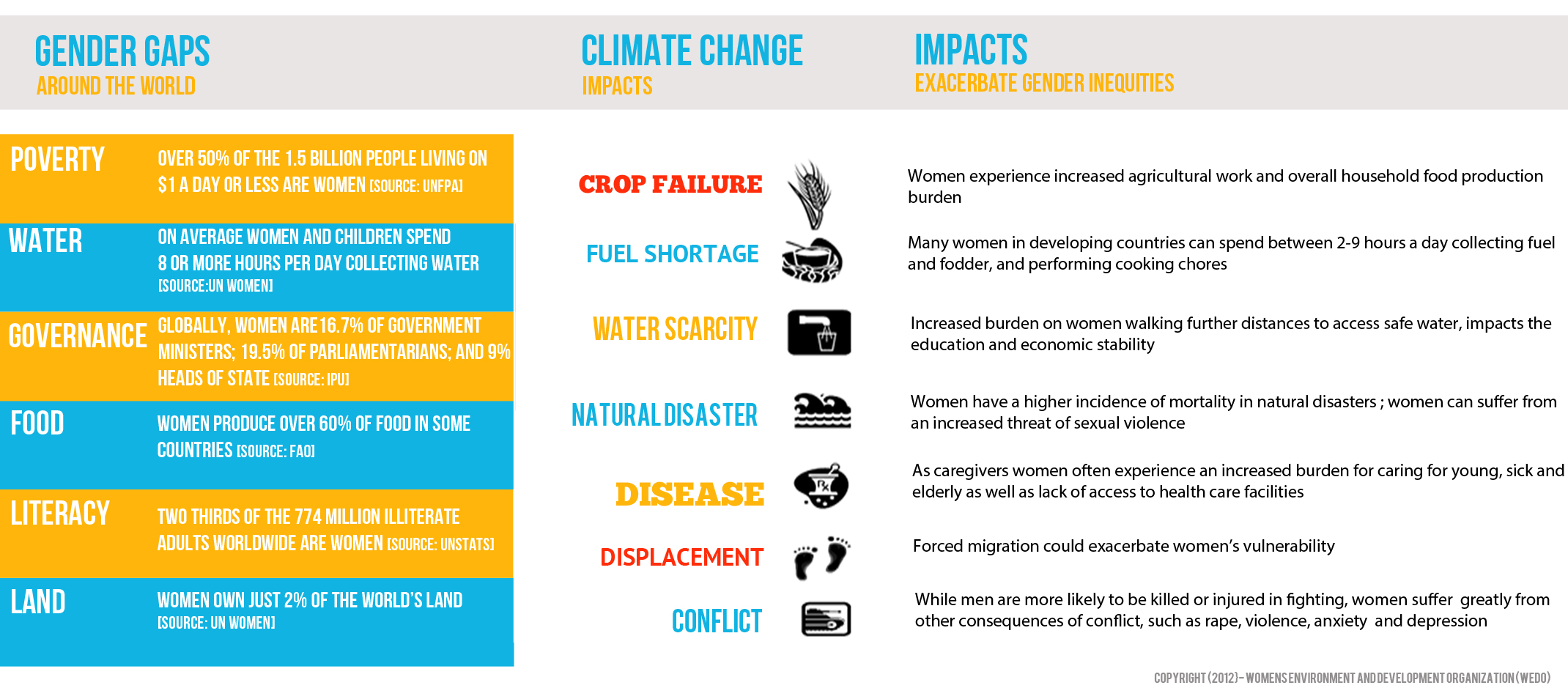
Women hold title to less than 2% of the world’s private land yet they produce up to 90% of food for the rural poor

To break the cycle of poverty and environmental degradation, it is essential to support women in their efforts to support themselves. By increasing the opportunities for women to make their livings sustainably, we both promote women’s empowerment as equal participants in society and help to protect the environment.  Our granting strategy focuses on educating women, building the capacity of women’s organizations, and developing both women’s technical expertise and leadership skills, thereby enabling women to develop creative solutions to environmental problems or to take advantage of opportunities in a number of sectors—sustainable tourism, organic agriculture, and fair trade cooperatives,to name a few. 


“Women for Development” Multitude Services Cooperative 

Women produce 60-80% of the food in most developing countries

Nicaragua

Founded by women entrepreneurs in northern Nicaragua, Women for Development supports women’s socio-economic advancement. In 2007, Greengrants awarded this organization $3,000 to support their House of Corn project—a tortilla manufacturing enterprise that provides safe, healthy, and environmentally sustainable work for local women. Funds supported six capacity building events that strengthened and improved production practices, quality control, and administration of the project. The grant also helped fund the construction of two industrial kitchens. The kitchens provide a safe place for young women selling tortillas in the street, while reducing the environmental and health impact of tortilla production—the new kitchen equipment cuts down on the need for firewood and eliminates smoke inhallation that acompanies wood burning.