
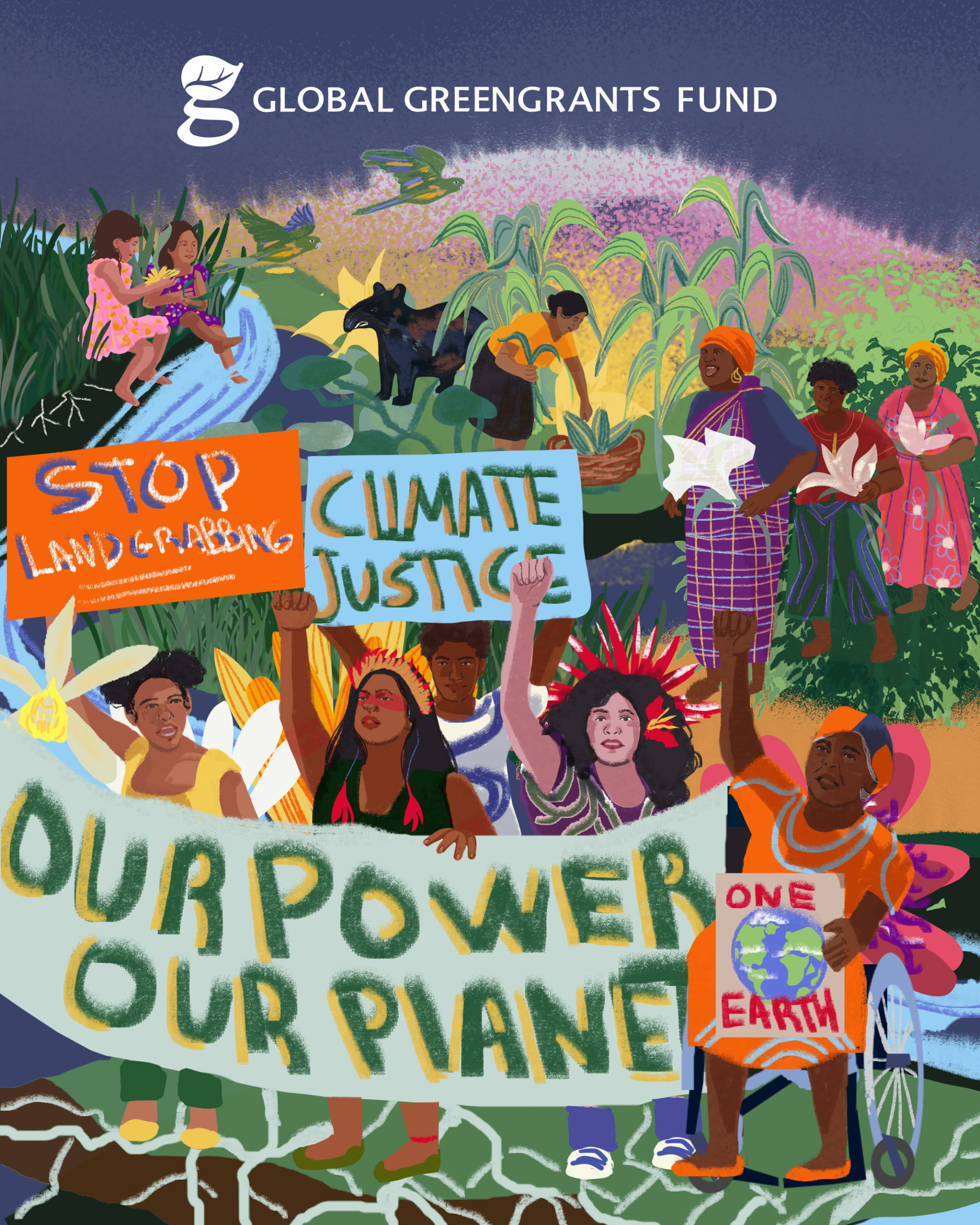
“Our work is long-term. It is not about projects—it is about movements. When donors provide flexible support, communities respond with creativity and appropriateness that no outside expert could prescribe.”
– Cristi Nozawa, Samdhana Institute
People power fuels profound climate and environmental transformation. When communities cultivate justice, care, and resilience globally, their efforts weave together into a movement with the power to safeguard ecosystems, deepen democracy, and upend the systems behind climate and environmental crises.
For over 30 years, Global Greengrants Fund has nourished local climate and environmental action worldwide—quickly, flexibly, and rooted in trust. We fund those who understand local, social, political, and economic contexts, traditional practices, and community needs firsthand.
From protecting rivers in Peru to cultivating tomorrow’s climate leadership in Lebanon, the movements we support build collective power—because movements aren’t built by one grant or project, but by thousands of interconnected local actions binding together into a global network of environmental action. With resources and solidarity, this network can spur tremendous change, ushering in collective cultures that center people over profit.
Read about people-powered movements leading transformative climate and environmental change around the world:
Ecological People Power in Peru
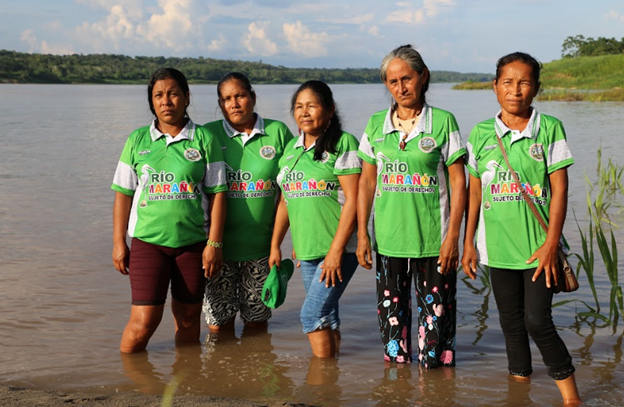
The Marañón River flows over a thousand miles, cutting through the Peruvian Andes and verdant Amazon forests to join the Amazon River. It’s home to unique creatures from pink dolphins to caimans, and it’s a critical lifesource for surrounding ecosystems.
For centuries, Indigenous groups like the Kukama, Achuar, and Kichwa have co-existed with the Marañón and its tributaries, drinking and fishing its waters, relying on it for crops, and weaving it into generations-old spiritual beliefs. To some groups like the Kukama, rivers are living beings vital to the ecological balance of their lands.
Yet since the 1970s, the Peruvian government has prioritized profit, granting fossil fuel concessions near the Marañón River. This has created dangerous oil spills that have polluted the river, harmed wildlife, and significantly impacted the health of Indigenous Peoples along its banks.
In 2024, after decades of organizing, regional river movements achieved a monumental victory: a Peruvian court recognized the Marañón River’s right to legal personhood and its right to flow free of contamination.
Key to this victory was Asociación de Mujeres Huaynakana Kamatahuara Kana, one of many Indigenous-led groups Global Greengrants has supported over decades to conserve Marañón River ecosystems, bolster Indigenous women-led advocacy, and garner international attention for the river’s significance.
With support from Legal Defense Institute, International Rivers, and Earth Law Center, Asociación de Mujeres Huaynakana Kamatahuara Kana filed a lawsuit seeking recognition of the Marañón River’s legal personhood in 2021. The group and its allies testified in court, organized community meetings and protests, held press conferences, and amassed local and international media attention, culminating in legal victory and a 2025 Goldman Environmental Prize for the group’s President, Mari Luz Canaquiri Murayari.
The movement’s success is an inspiring example of Indigenous women’s power—when they have the resources required—to restore harmony between people and ecosystems. It also sets a pivotal precedent for the legal protection of rivers worldwide, opening the door to a key paradigm shift that values the rights of the environment as highly as those of people.
Funders supporting deep, transformative people power—especially among communities historically excluded from decision-making—must partner with movements for the long haul. When we do, as Asociación de Mujeres Huaynakana Kamatahuara Kana and the many other river defenders we support show, grassroots movements achieve globe-spanning impact.
Community Power as Collective Power in DRC
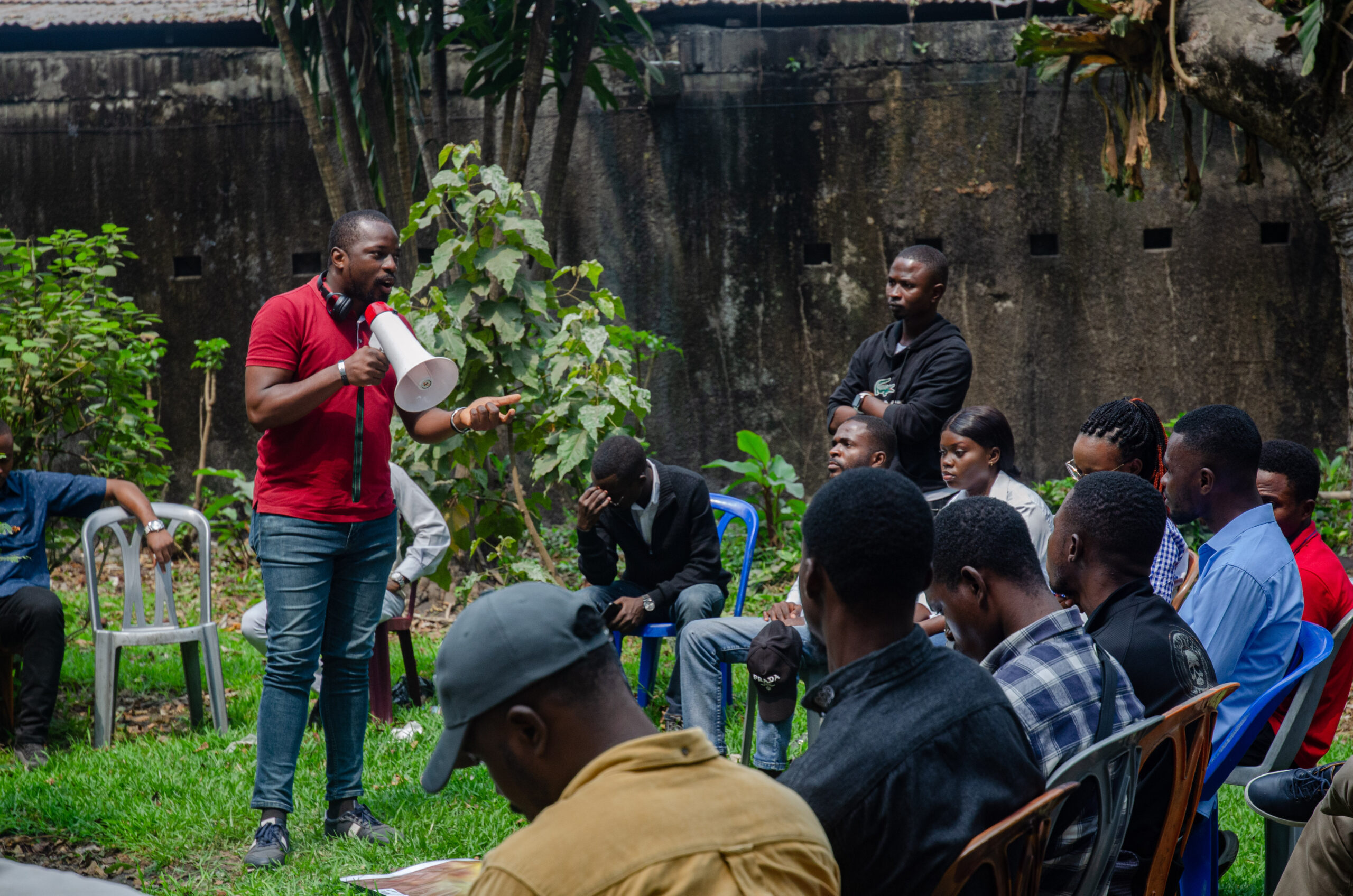
Virunga National Park in the Democratic Republic of Congo (DRC) is a vibrant landscape of forests and mountains, with two volcanoes, lakes, marshlands, and more than 300 endemic species, including bamboo and gorillas, which earned it UNESCO World Heritage Site status in 1979. Indigenous groups have lived on the land for generations, since long before it became a national park, practicing nomadic lifestyles that uphold the ecosystem’s careful equilibrium.
For decades, the park has been a key conservation cornerstone, both for its biodiversity and for its critical role as a carbon sink, helping curb the global climate crisis. Yet in 2022, the Congolese government made international headlines, announcing it would auction off over two dozen oil and gas blocks in the park. Like fossil fuel projects around the world, these would pollute ecosystems, disrupt local cultures, and tip the global carbon balance towards further crisis.
Local communities knew they had to stand up for their livelihoods, their ancestral land, and the good of all people and the planet. Organizations like Association des Jeunes Visionnaire pour le Développement du Congo (AJVDC) and Mouvement de Jeunes pour la Protection de l’Environnement (MJPE) leveraged two years of grants from Global Greengrants to mobilize community members, youth, and media campaigns against the auctions. Along with allies like 350.org Afrique, Africa Vuka, and Enable the Disable Action (EDA), AJVDC and MJPE organized ecological meetings and art activities, launched a #FossilFreeDRC digital campaign, rallied the community through protests, and improved local access to cleaner energy technologies, such as briquette-powered stoves.
In late 2025, these seeds of community power bloomed into a significant victory—a new Congolese Minister of Hydrocarbons suspended the auction plans due to insufficient bids. The victory highlighted the success of the movement’s multipronged efforts—their collective pressure had disincentivized corporate interest.
Significant challenges persist for local climate and environmental justice movements, including continued plans to link DRC to the East Africa Crude Oil Pipeline (EACOP). Yet their success underscores the powerful sway communities have on government and corporate decision-making when they come together around a shared vision of democracy, justice, and sustainability.
The movement’s work highlights that justice is not a destination but a practice—a continuous process of participation, imagination, and accountability. As funders, investing in the infrastructure of trust, connection, and collective leadership that fuels change like this is vital to ensure movements have the resources for every step of the journey into futures where people and planet thrive.
Community-led Climate Resilience in Lebanon
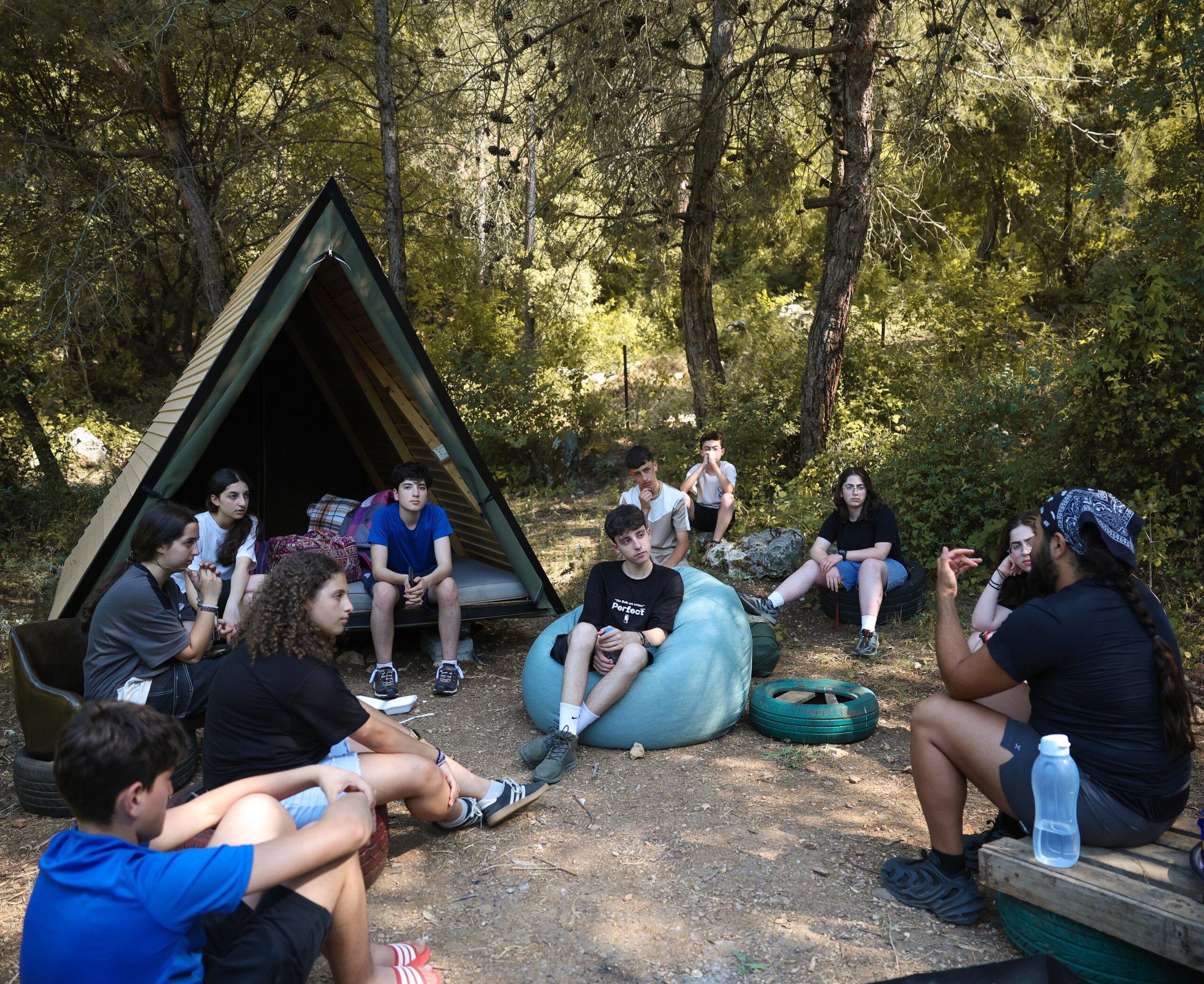
Akkar, Lebanon, is an agricultural region with a large coastal plain, forested mountains, and one of the highest biodiversity rates in the Middle East, including unique species like cedar trees and striped hyenas. Many local farming communities have lived in peaceful coexistence with the land for generations, despite limited access to resources and environmental education compared to their urban Lebanese counterparts.
Although Akkar is home to critical biodiversity, the region’s ecosystems face threats from urbanization, climate change impacts, and man-made destruction such as logging, illegal hunting, and overfishing.
To nurture environmental knowledge, foster community autonomy, and strengthen Akkar’s long-term climate resilience, Rural Encounters on Environment and Film (REEF), with support from Global Greengrants, brought youth from Akkar together in 2024 and 2025 for its “REEF Ambassadors” mentorship program focused on ecological storytelling and local climate awareness. Participants studied local climate change impacts while building creative skills through educational hikes, arts workshops, film criticism sessions, and community presentations that highlighted Lebanese biodiversity and celebrated the richness of Akkar cultures. In 2025, the program culminated in a multi-day event where youth ambassadors showcased environmental films, storytelling, and advocacy skills to their families and villages, ensuring their learnings rippled out beyond the program.
At a time when communities in Lebanon have been navigating periods of cross-border violence and instability, the program became an important space for connection, reflection, and collective resilience—offering young people a way to stay rooted in their land, culture, and shared future and community. Together with dozens of Lebanese groups Global Greengrants has supported in the last decade, their work advances a vision of climate action grounded in lived experience, collective care, and community power.
For funders committed to lasting climate and environmental progress, initiatives like REEF’s Ambassadors program show what becomes possible when rural youth leadership has trust and support. Investing in youth-led efforts helps movements cultivate the resilient foundations from which more just and climate-secure futures can grow.
Fueling Community-led Action
The stories above are not isolated stories. They are reminders of the undeniable collective power built when communities—especially Indigenous communities, women, youth, rural communities, and people with disabilities—lead climate and environmental action. Together, these communities are effectively transforming extractive systems into people-centered movements, creating the conditions for justice to flourish.
This is how change happens—through the collective impact of interdependent people-led initiatives across the globe. As funders, we must stand alongside these movements, not to direct them, but to accompany them. When we share flexible, long-term resources grounded in trust, solidarity, and connection, justice takes root and grows into a thriving world for people and planet.