
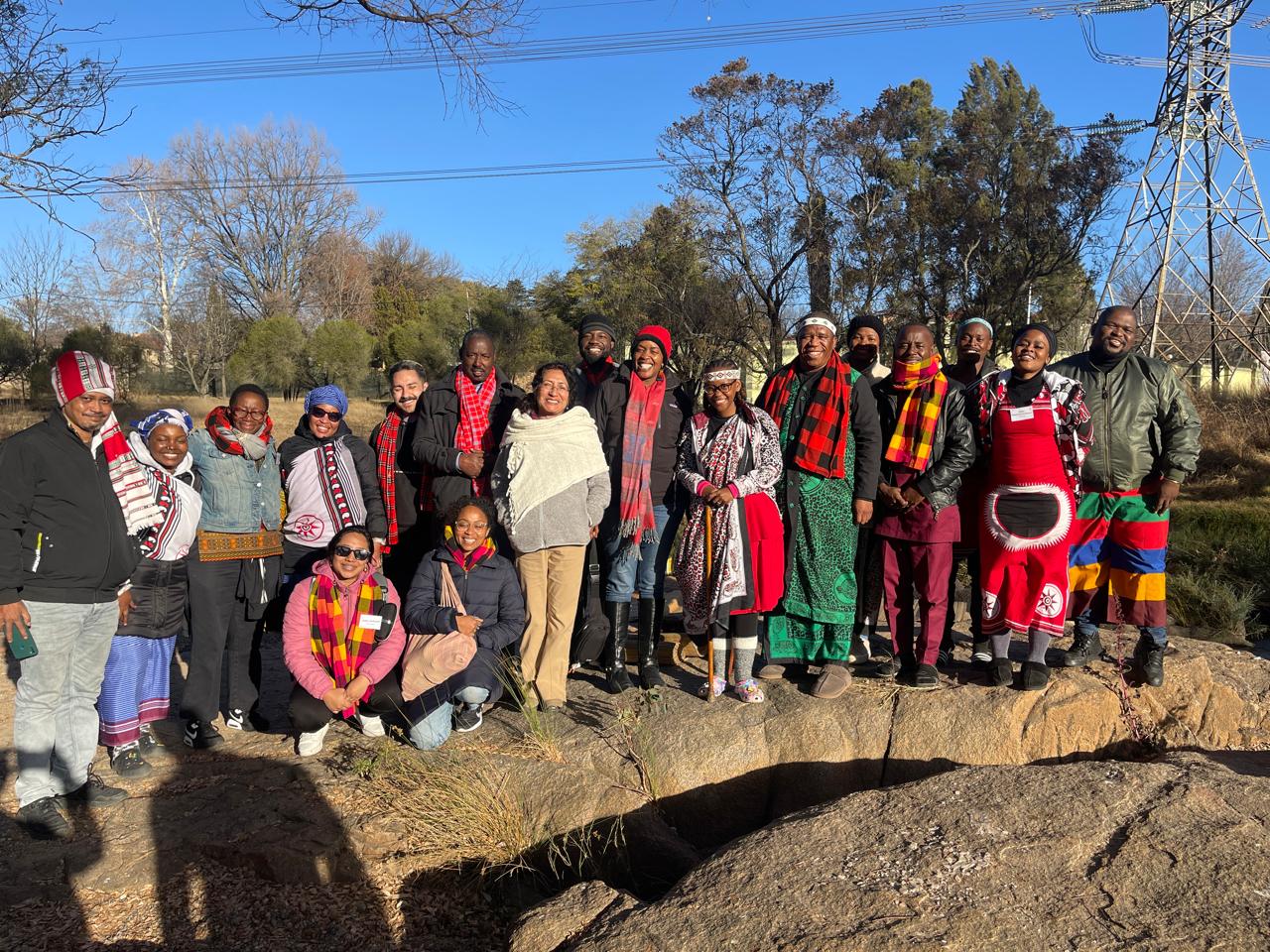
At Global Greengrants Fund, we know that transformative change doesn’t come from the top down. It grows through dialogue, reflection, and the courage to reimagine our relationships with one another and with the Earth. That’s why we are honored to host the Gender and Environmental Justice Working Group’s Learning Conversation Series alongside advisors, exchanging and deepening our reflections on gender and the environment, and exploring how to integrate more intersectional approaches into grantmaking, drawing on the wisdom within our advisory board network. The Learning Conversation Series is part of our ongoing commitment to support grassroots women’s leadership and intergenerational dialogue, and to integrate care, healing, and justice into climate action.
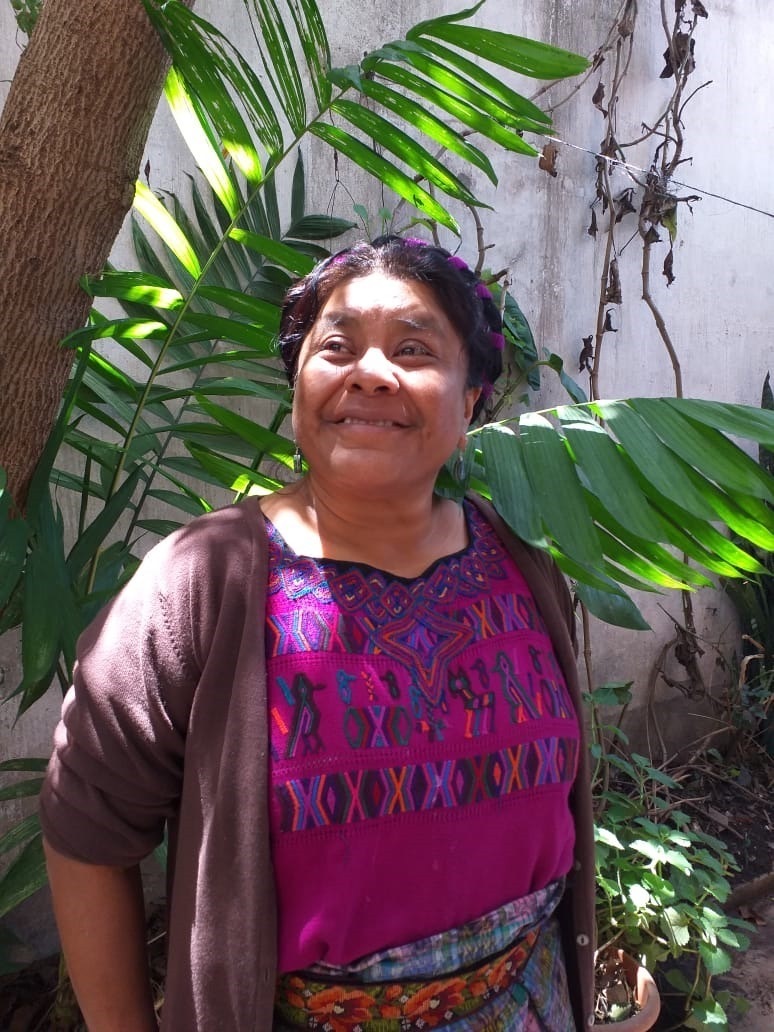
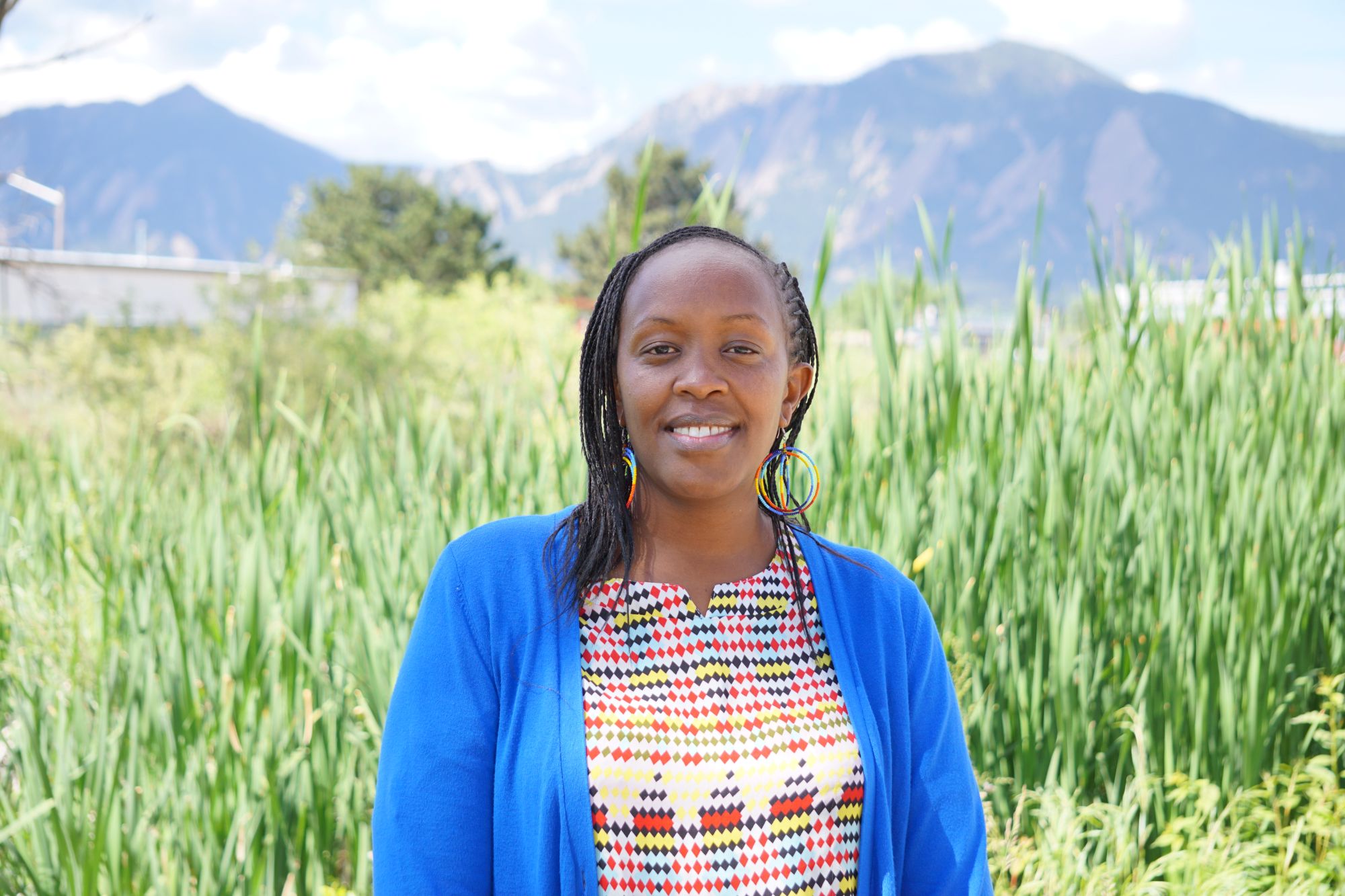
In a recent session, Indigenous Cosmovisions and Spiritual Approaches to Considering the Intersection of Gender and Environmental Justice, we heard from María Huz, a Mayan Kaqchikel leader, member of the Reboard Women’s Group in Guatemala, and a Global Greengrants Indigenous Peoples Board advisor, as well as Naomi Leleto, a Maasai activist and Global Greengrants coordinator and Indigenous Peoples Board advisor from Kenya. Together, they explored how healing at the personal, communal, and ecological levels is essential to building gender-just and climate-resilient movements. María opened the conversation with a short blessing and reminder:
“We are not just one; we are seven—because within each of us live our father, mother, grandmother, grandfather—together we make seven.”
For Global Greengrants, these conversations reaffirm the importance of slow, relational learning as part of a wider network of feminist, decolonial, and grassroots environmental actors. Such spaces help us pause—to listen, to unlearn, and to move forward in solidarity with those holding community knowledge.
“All spaces are sacred,” María reminded us during her opening invocation. “Whether we are in our offices, our homes, or among our computers—each space can become a place for connection and renewal.”
The Gender and Environmental Justice Working Group provides a safe space for relational learning for a group of Global Greengrants’ grantmaking advisors who want to explore what it means to meaningfully integrate gender justice into their grantmaking practices. The space is not for technical learning about gender mainstreaming, but instead, learning from one another, listening, divulging, pushing back, and supporting one another to navigate the complexities of gender justice within their contexts and cross-regionally.
Healing as Transformation
María’s reflections drew from decades of organizing, ancestral practice, and institutional experience—including years working within international development spaces that often overlooked local wisdom.
She recounted how “gender” frameworks imported from the global north sometimes created tension in Indigenous communities, rather than harmony.
“When women returned home speaking of rights, men felt threatened,” she explained. “Violence increased. So, we changed our approach. Instead of talking about rights, we began with healing—quietly, deeply, collectively.”
Through this process, María and her collaborators began blending ancestral healing practices with the language of justice and care. Their approach made space for women and men to reconcile, to unlearn patterns of harm, and to rebuild community trust.
“We must heal both our maternal and paternal lineages,” María shared. “Projects fail when we focus only on women or only on children. Healing requires men and women together—to restore respect and balance between us.”
“Healing is transformation,” María said. “It begins within us, then ripples outward to our families, to our work, to the Earth itself.”
Interconnected Healing: From the Body to the Planet
In dialogue, Naomi Leleto offered her perspective from East Africa, where communities are also navigating the intersections of gender and environmental justice. She reminded the group that healing is not only a personal act, but also a political and planetary one.
“We are healing our hearts with the heart of Mother Earth,” Naomi reflected. “When we heal this heart, the Earth heals too. When we care for her, we care for ourselves.”
This connection between individual, community, and ecological well-being echoed throughout the conversation. It foregrounds the importance of a relational approach in activism, considering and caring for our relations to each other and to the non-living, non-human. It invited participants to reflect on how colonial histories, gender-based violence, and extractive economies all leave spiritual and emotional imprints that must also be addressed.
A Relational Approach to Collective Action
The Gender and Environment Working Group’s Learning Series is more than a space for listening and sharing—it’s a practice of weaving together local and global insights. Each conversation deepens our shared understanding of how gender and environmental justice intersect, and how funders can approach their role differently, not as directors of change, but as companions in transformation.
At Global Greengrants Fund, we believe that by creating space for stories like María’s and Naomi’s, new futures emerge where communities lead, heal, and thrive on their own terms.
“Healing the heart is healing the Earth,” María said. “When we honor that, justice becomes not an idea, but a way of being.”
Learn more about Global Greengrant Fund’s Indigenous Peoples Advisory Board here and about Indigenous women’s rights here.