
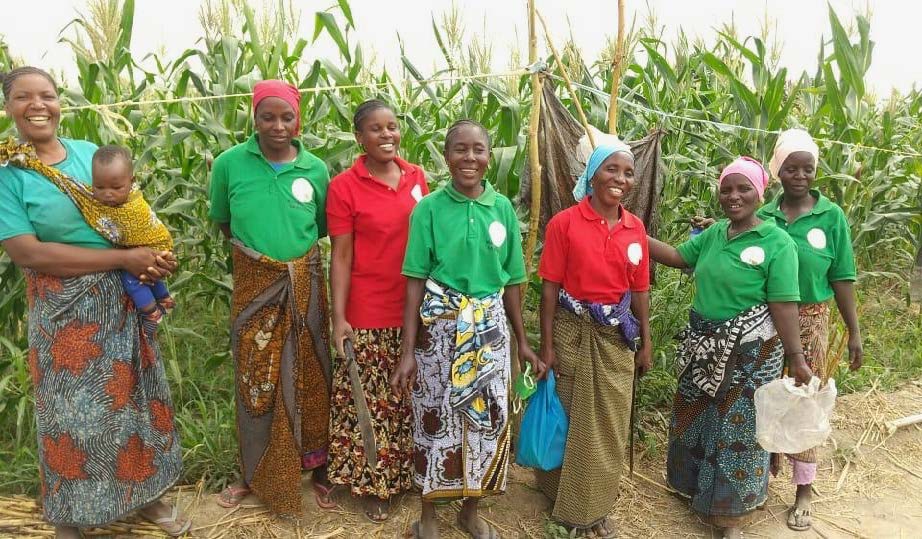
For 30 years, Global Greengrants Fund has stood alongside women and gender-diverse people leading agricultural change in their communities. We know that growing food is about more than planting seeds—it’s about shifting power. We provide sustained, flexible support that helps women farmers thrive and strengthen their communities. Decades of movement solidarity have shown us that when women farmers have the resources and recognition they deserve, they don’t just grow food—they grow resilience, equity, and lasting change for themselves, their communities, and the entire world. When we offer care and support to these grassroots movements, tremendous prosperity for people and planet follows.
This International Women’s Day—which coincides with the UN’s International Year of the Woman Farmer, a push to close urgent gender gaps in food systems—we’re uplifting the essential yet often-unseen role that women farmers play in building just and sustainable futures.
At a time of deepening climate instability and geopolitical strain, where approximately half of the world’s habitable land is used for agriculture and food systems account for 21-37% of total global carbon emissions, the leadership of women and gender-diverse farmers offers steady, practical solutions. They build food systems grounded in local knowledge, responsive to community needs, and in balance with the land. In doing so, they expand who has power over resources and challenge systems that have long harmed people and ecosystems alike. Research shows that when women adopt agroecological practices, the benefits ripple outward—strengthening climate resilience, restoring ecosystems, and advancing more equitable gender norms.
Across regions, women-led agrifood movements are cultivating resilient communities and ecosystems. Meet a few we’re proud to support:
Action Communautaire pour l’accompagnement des Peuples autochtones et Developpement Local (ACPADEL) – Cameroon
“The momentum generated by the women of Bedzang has distinguished them as leaders within their communities.”
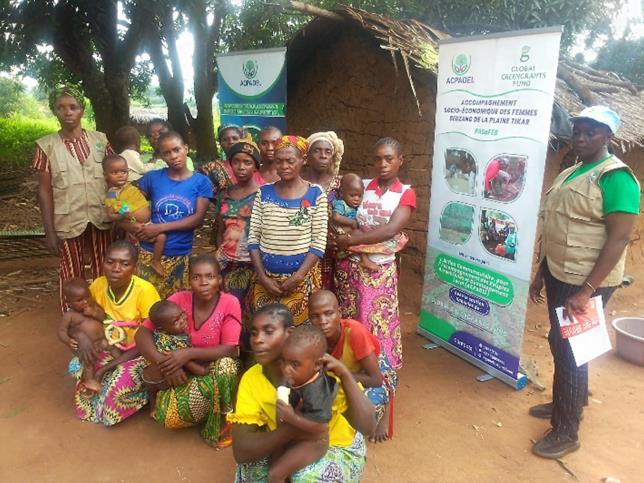
The Indigenous Bedzang people have lived in the forests and savannas of Cameroon’s Centre Region for generations, sustaining their communities through traditional farming and foraged foods like wild yams. Today, expanding logging and industrial agriculture are pushing communities off ancestral lands—undermining food security and threatening the agricultural knowledge the Bedzang have cultivated over generations. These pressures fall especially hard on Bedzang women, who play a central role in farming but often have limited access to education and decision-making over land and resources.
Movement partner Action Communautaire pour l’Accompagnement des Peuples Autochtones et Développement Local (ACPADEL) is helping to change that. With support from two Global Greengrants grants, ACPADEL worked alongside Bedzang women farmers to strengthen both food production and traditional knowledge. The initiative distributed sustainably sourced maize seeds, revived Bedzang practices such as crop rotation and polyculture, and brought women together through trainings on cooperative farming.
This work is part of a broader movement Global Greengrants has supported in Cameroon since 2020—one advancing the rights of Bedzang communities while safeguarding the knowledge systems that sustain their lands.
By strengthening collective leadership among women farmers, the impact has been profound. Food production has increased significantly, improving local food security while elevating women’s leadership across the region. Their success makes one thing clear: when women farmers have the resources and solidarity to lead, communities and ecosystems both thrive.
Rural Sustainable Development Foundation (RURALDAF) – Armenia
“We proved that with the right knowledge and support, women can become specialized farmers, developing their own business, ensuring a stable income, and contributing to the social and economic stabilization of their communities.”
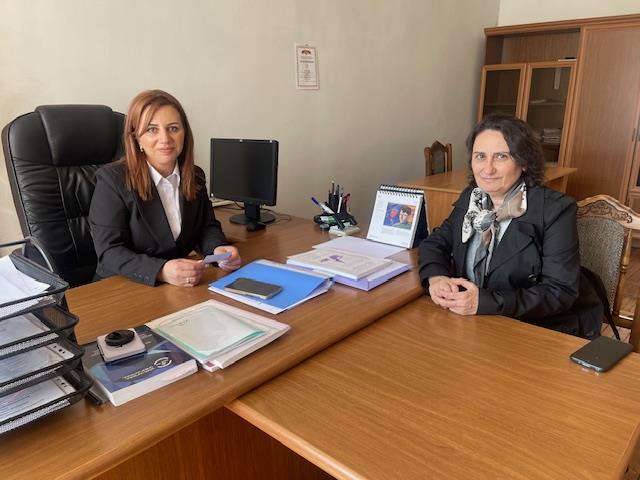
Kotayk Province, a mountainous region bordering Armenia’s fertile Ararat Plain, is a vital agricultural area. Women play an essential role in keeping farms running, yet longstanding patriarchal norms often deny their ability to lead economically. At the same time, profit-driven practices such as heavy pesticide use have degraded ecosystems and threatened community health.
Recognizing that environmental resilience and gender equity are deeply connected, Global Greengrants has supported the women-led Rural Sustainable Development Agricultural Foundation (RURALDAF) for more than a decade. RURALDAF works alongside women farmers in Kotayk to strengthen both leadership and ecological stewardship—training farmers in sustainable practices such as solar-powered tools and organic pest management, while building networks that allow women to share knowledge and organize. Their efforts also include women-led awareness campaigns addressing PFAS and other harmful pesticides.
RURALDAF is part of a growing movement of Armenian women farmers Global Greengrants supports to advance gender-equitable land stewardship and healthier food systems. By investing at the intersection of gender and environment, this work is helping women farmers claim leadership in shaping agricultural futures—strengthening local economies while restoring the ecological foundations their communities depend on.
Cooperativa de Trabajo Tierra Viva Limitada – Argentina
“By telling stories from the ground up, we were able to bring attention to situations that often fall outside the national media agenda. This exposure is crucial for local organizations to have a greater impact.”
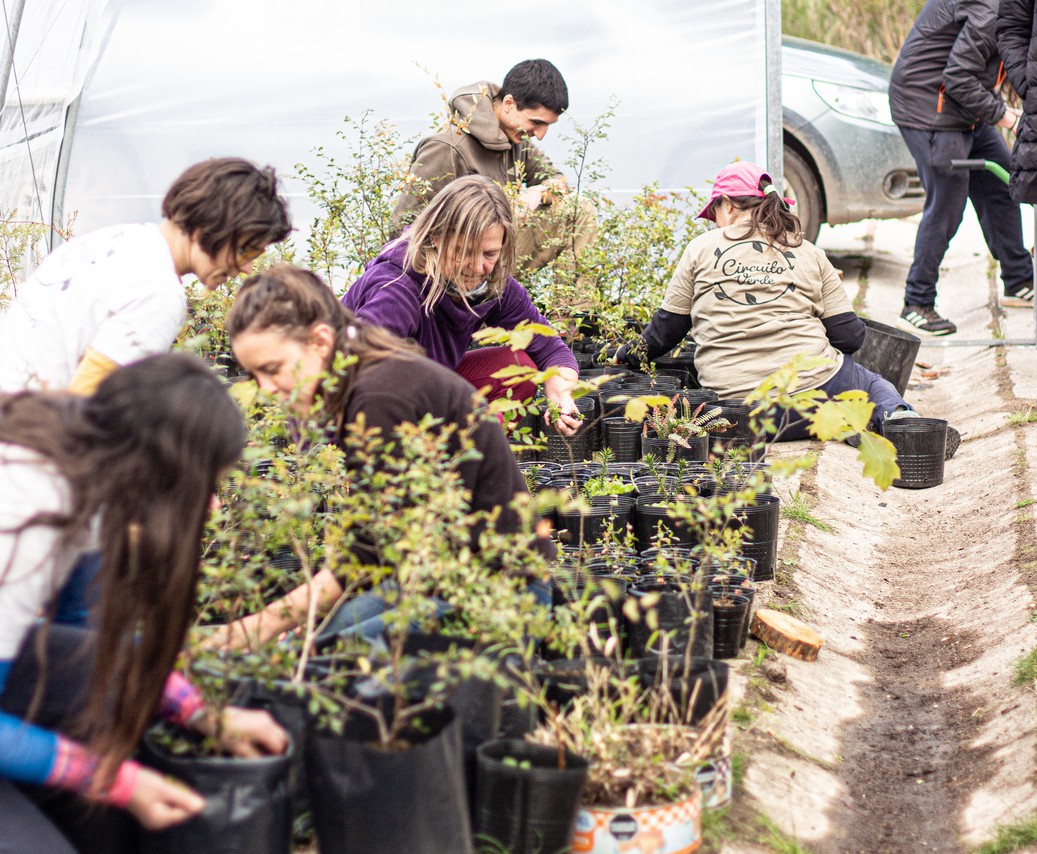
For centuries, local communities and Indigenous peoples of Argentina, from the Mapuche to the Toba, have relied on subsistence farming and small-scale pastoralism for food, working in harmony with the land to ensure well-fed communities without sacrificing the region’s careful ecological balance.
However, the rapid expansion of large-scale mining, agribusiness, industrial forestry, and real estate speculation has come at a high cost to Indigenous livelihoods. These pressures have driven the spread of unsustainable farming practices—pesticides, genetically modified seeds, and synthetic fertilizers—while the communities that produce more than 70 percent of Argentina’s fruits and vegetables still receive unfair prices for their harvests. The result is deepening economic insecurity, damaged ecosystems, and the erosion of long-standing Indigenous relationships with the land.
Cooperativa de Trabajo Tierra Viva Limitada—a collective with women central to its leadership supported by Global Greengrants since 2023—recognized that transforming Argentina’s food systems requires more than planting seeds. It demands a profound shift in how agriculture is understood and valued, one that restores the central role of ancestral knowledge.
To help catalyze that shift, the cooperative published more than 220 articles in 2025 exploring food production, climate change, human rights, the economy, gender, and food sovereignty in Argentina. Their reporting amplifies the voices of women, Indigenous Peoples, and other communities on the frontlines of climate impacts, highlights the rich diversity of Argentina’s agricultural landscapes, and elevates agroecology and food sovereignty as pathways toward futures beyond extractive systems.
With a growing subscriber base, these articles have become a powerful platform for knowledge exchange among farmers, scientists, and community organizers—sparking deeper shifts in how people understand and value enduring relationships with the land.
Cooperativa de Trabajo Tierra Viva Limitada’s work shows that people-centered systems flourish when women and historically marginalized communities lead the creation and sharing of knowledge. Their leadership and lived wisdom are helping cultivate food systems rooted in care, courage, and respect for the ecosystems that sustain us.
Funding Women-led Movements for Lasting Climate and Environmental Change
Global Greengrants is a leading funder at the intersection of gender and the environment. We support climate and environmental action rooted in justice and led by the women, Indigenous Peoples, youth, people with disabilities, and other communities most affected by environmental harm—because those closest to the challenges are also leading the most powerful solutions.
Lasting change takes time. By investing in grassroots movements over the long-term, we help communities build the relationships, knowledge, and momentum needed to transform systems that drive climate and environmental crises.
Women farmers are central to this work. Across regions, they are feeding their communities while cultivating agricultural systems that restore ecosystems and move beyond extractive models. We are all better off when our shared future is shaped by leaders who understand—firsthand—the consequences of environmental and social injustice, and who are building practical, grounded alternatives.
This International Women’s Day, we invite you to join us in making sustained investments in inclusive, community-led movements that can drive lasting climate and environmental transformation.