
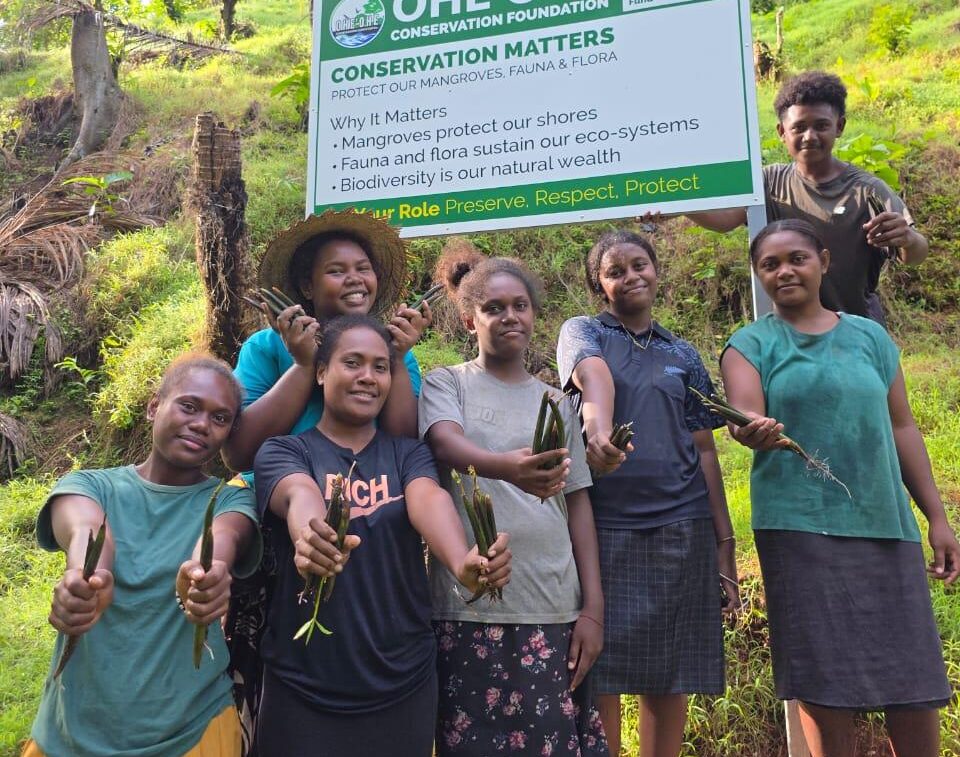
Grassroots conservation movements—led by local and Indigenous communities with invaluable knowledge built on generations of peaceful ecological stewardship—are essential to our collective future.
Earth is home to a deeply interconnected web of living beings. From Magellenic penguins in Argentina to mighty Sumatran pines to colorful jeweled chameleons in Madagascar, the livelihoods of each and every species—and the global environmental equilibrium—depend on the preservation of this precious web.
Humanity is just one small part of this network. For thousands of years, before the rise of systems that treat ecosystems as expendable for the sake of power and profit, humanity lived in harmony with the land and its fellow inhabitants, rooting cultural decision-making in deep care for each other and our neighbors, the flora and fauna.
Yet humanity is also responsible for incalculable disruption to the delicate ecological balance we are part of—through deforestation, habitat destruction, monocropping, marine noise pollution, and more.
For 30 years, Global Greengrants has invested in conservation driven by communities rooted in cultural practices, spirituality, and intergenerational knowledge. From local mobilization to safeguard the Congo in Cameroon to women-led seed preservation in Tajikistan, we support the Indigenous Peoples, women, peasants, people with disabilities, and more who are already tending the planetary environmental fabric—and have been for millennia—fostering cultures of reciprocity over resource extraction.
Conservation funding must move directly and flexibly to these essential stewards of ecological resilience. When these community-led, locally rooted conservation efforts are interwoven with Indigenous and local rights to Free, Prior, and Informed Consent (FPIC) and to govern, steward, remain on, and make decisions over their territories, their power to put humanity back in right relationship with ecosystems is unstoppable.
Here are just a few of the many people-powered conservation movements Global Greengrants supports:
Community-Centered Conservation in Cameroon
“The project…has given new hope for the restoration, stability and conservation of biodiversity in the village of Mebosso and its surroundings.” – Centre Africain pour le Développement Durable et l’Environnement (CADDE)
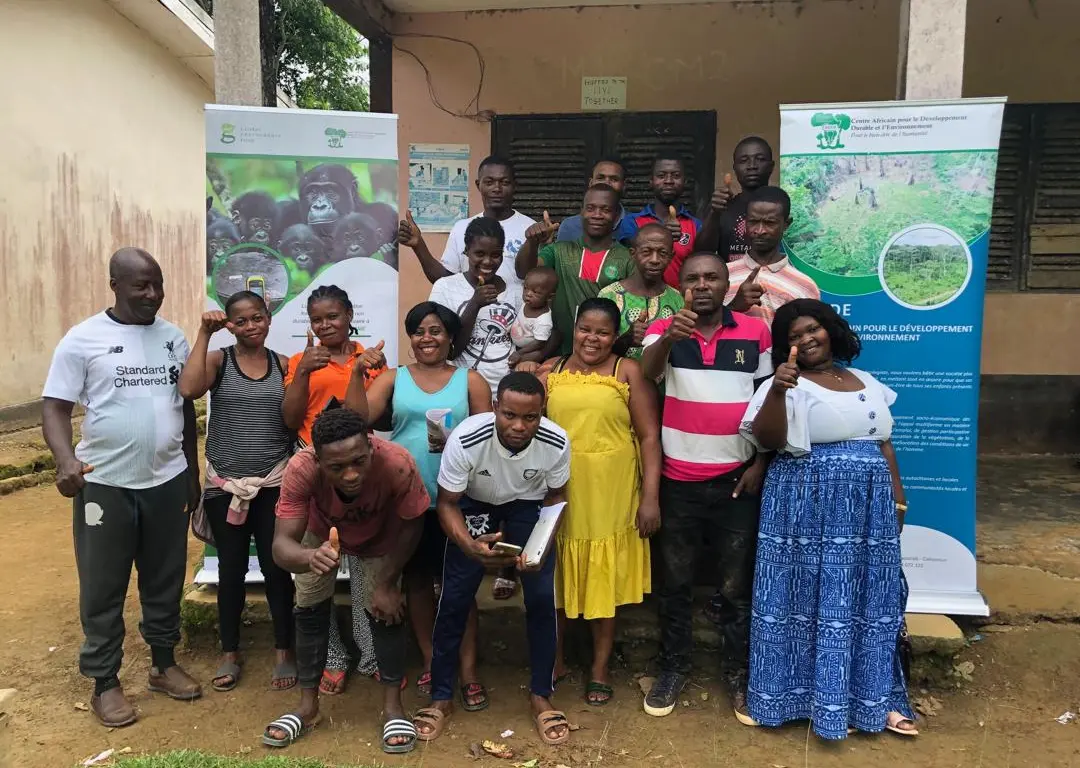
The Mengamé Gorilla Sanctuary (MGS) rests on more than 20,000 hectares of lush tropical rainforest along the southern Cameroon border. It is a refuge for countless wildlife, including the critically endangered Western Lowland Gorilla. It is also part of the Tri-National Dja-Odzala-Minkébé (TRIDOM), an expansive forest complex across parts of Cameroon, the Democratic Republic of Congo, and Gabon that contains 20% of the Congo Basin’s rainforests and a wealth of biological diversity.
In recent decades, the MSG and its inhabitants have come under threat from illegal logging, deforestation for cocoa and banana farms, and wildlife poaching. These activities are destroying habitats, upsetting the local ecological balance, and disrupting local peoples’ economic livelihoods. To make ends meet, many local community members have turned to illegal logging, deepening the region’s deforestation crisis.
Recognizing the criticality of both the MSG and the livelihoods of nearby villages, Centre Africain pour le Développement Durable et l’Environnement (CADDE) sought alternative economic options for local people that maintain rather than disrupt rainforest ecosystems. CADDE brought together members of the nearby village of Mebosso for reflection on the environmental impacts of illegal logging and the co-creation of sustainable economic alternatives. Participants joined learning sessions on environmentally friendly poultry and fish farming and established a community poultry farm and fish pond. This has not only reduced local participation in illegal logging activities but also cultivated stronger community connections to the rainforest and each other.
CADDE is part of a wider movement protecting the Congo Basin. Global Greengrants has nourished these movements for over a decade, supporting decentralized, community-centered efforts—from hosting dialogues on deforestation and climate change among Congolese women, youth, low-income communities, and Indigenous groups to mobilizing local people against power plant and pipeline development in Virunga National Park. These movements are not only protecting the forest and its inhabitants—human and non-human—but shifting the systems and attitudes that endanger the forest—and us all.
Efforts like CADDE’s provide a powerful model for conservation practice, led by and deeply embedded within communities. By attuning to local peoples’ needs without compromising ecosystemic equilibrium, CADDE is building just and sustainable futures that protect biodiversity, build people power, and preserve thousands of hectares of rainforest known as the Earth’s second lung.
Youth Leadership Taking Flight in Bolivia
“Through the workshops, students’ connection to their territory, its biodiversity, and the living beings that inhabit it was reinforced. In this way, the project successfully cultivated agents and defenders of local biodiversity who are committed to caring for both the environment and their community.” – Wawas Emprendiendo Vuelo
The Bolivian Amazon, which comprises 7.7% of the Amazon Basin, features miles of verdant forest and winding Amazon River tributaries. It is home to abundant biodiversity, including Amazon River dolphins, blue-headed macaws, and Brazil nut trees. It is also home to Indigenous communities—like the Chácobo and Takana—who have inhabited the region for centuries, sustainably stewarding its web of flora and fauna.
The Bolivian Amazon and the wider Amazon Basin are a critical epicenter of biodiversity conservation and a key carbon sink, helping keep global carbon levels in check. Yet the region has seen increased deforestation from illegal logging, agricultural expansion, and development projects, as well as rainfall cycles altered by climate change, which affect crops and water resources. These multipronged threats have endangered the forest’s fragile ecosystem of flora and fauna, as well as local communities’ peaceful place within it.
To strengthen community resilience for the long arc work of protecting the Amazon, Wawas Emprendiendo Vuelo—which translates to “Little Ones Taking Flight”—chose to invest in a powerful group: local youth.
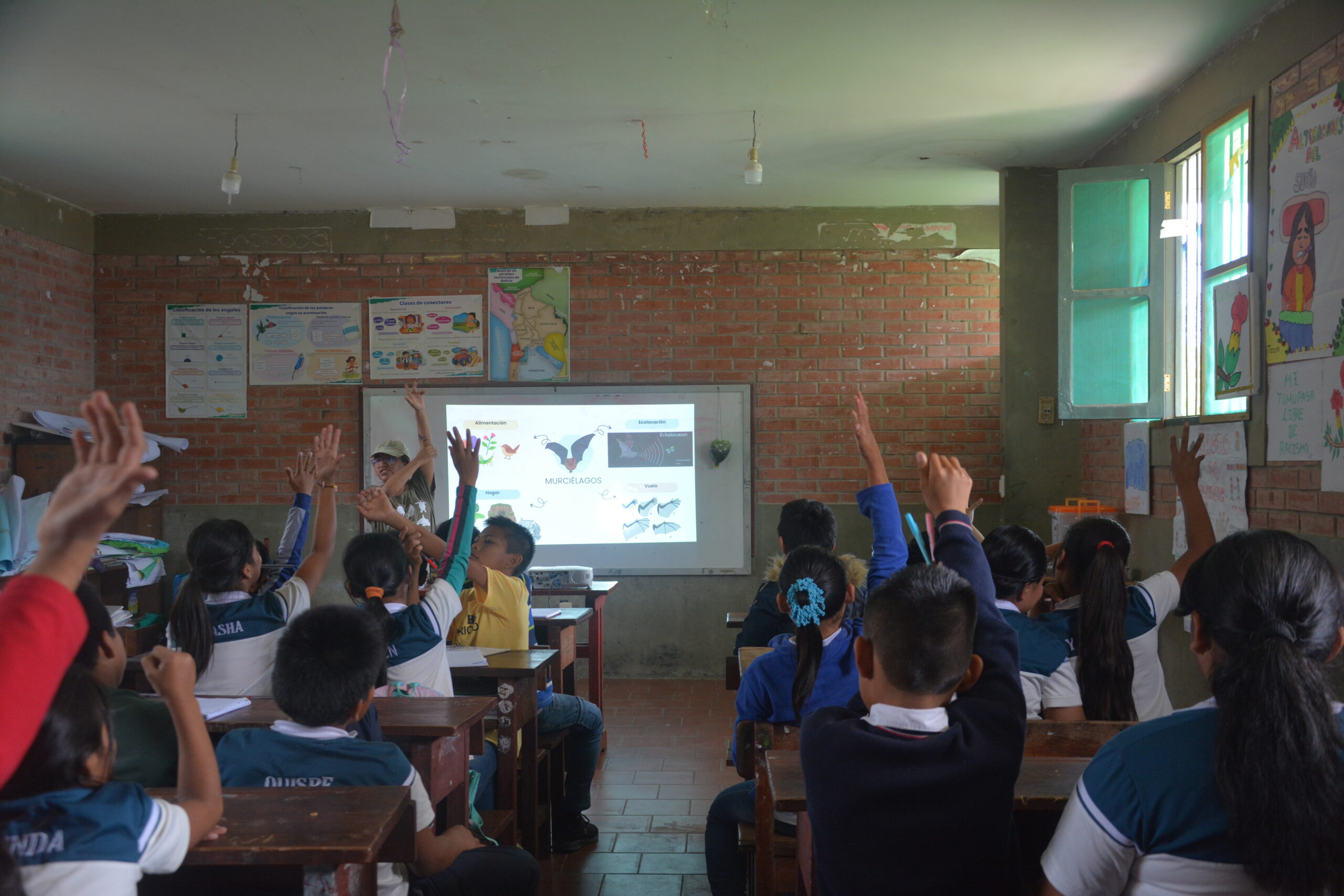
Through their Semillas del Bosque, or “Seeds of the Forest,” project, Wawas Emprendiendo Vuelo hosted more than two dozen workshops in three Bolivian Amazon villages with students in primary and secondary schools, many from Indigenous communities. The workshops used memory games, charades, puzzles, mazes, word searches, card games, and other interactive activities to encourage active student participation on topics such as biodiversity identification, wildlife poaching, conservation, and climate change. Throughout the project, Wawas Emprendiendo Vuelo tested students’ knowledge, revealing something profound: by the end, students showed a clearer understanding of and greater confidence in communicating the importance of biodiversity conservation.
Wawas Emprendiendo Vuelo are one of over a dozen groups Global Greengrants has supported in the last decade to protect the Bolivian Amazon. While many of the groups we’ve supported in the Amazon are tackling today’s challenges—from training Indigenous peoples on the knowledge and skills needed to shape public environmental opinion to supporting communities to rebuild following devastating wildfires—the success of the Semillas del Bosque project highlights the power of investing in youth as agents of ecological change. Wawas Emprendiendo Vuelo equipped young people of the Bolivian Amazon with vital knowledge and skills to strengthen their communities’ long-term stewardship of the Amazon. This protects biodiversity and the livelihoods of local people—and is also an investment in our collective well-being.
Cultivating Community and Agrobiodiversity in Tajikistan
“The Indigenous community—and rural women in particular—acquired skills and knowledge regarding agrobiodiversity and the unique characteristics of local crop varieties. Women, in particular, came to recognize the significance of their contribution to the preservation of the national gene pool.” – Dunyoi Muhabbat
The Khojamumin area of Tajikistan is known for scenic salt mountains and caves that not only provide a wealth of salt to the people of Tajikistan, but are of sacred importance to the Indigenous communities who have lived in the region for generations.
The rural villages of Taginamak and Oriyono that surround Khojamumin have long centered their cultures around agriculture, building livelihoods around local varieties of black currants, almonds, mountain onions, and more. Yet with ever-increasing globalization and the slow creep of capitalism, many villagers have traded native plants for foreign crops in the hopes of economic gain. This has not only put many local plants—including fruit trees and legumes—at risk of extinction, but also disconnected many local farmers from the cultural significance of native plants and made them dependent on commercial seed companies.
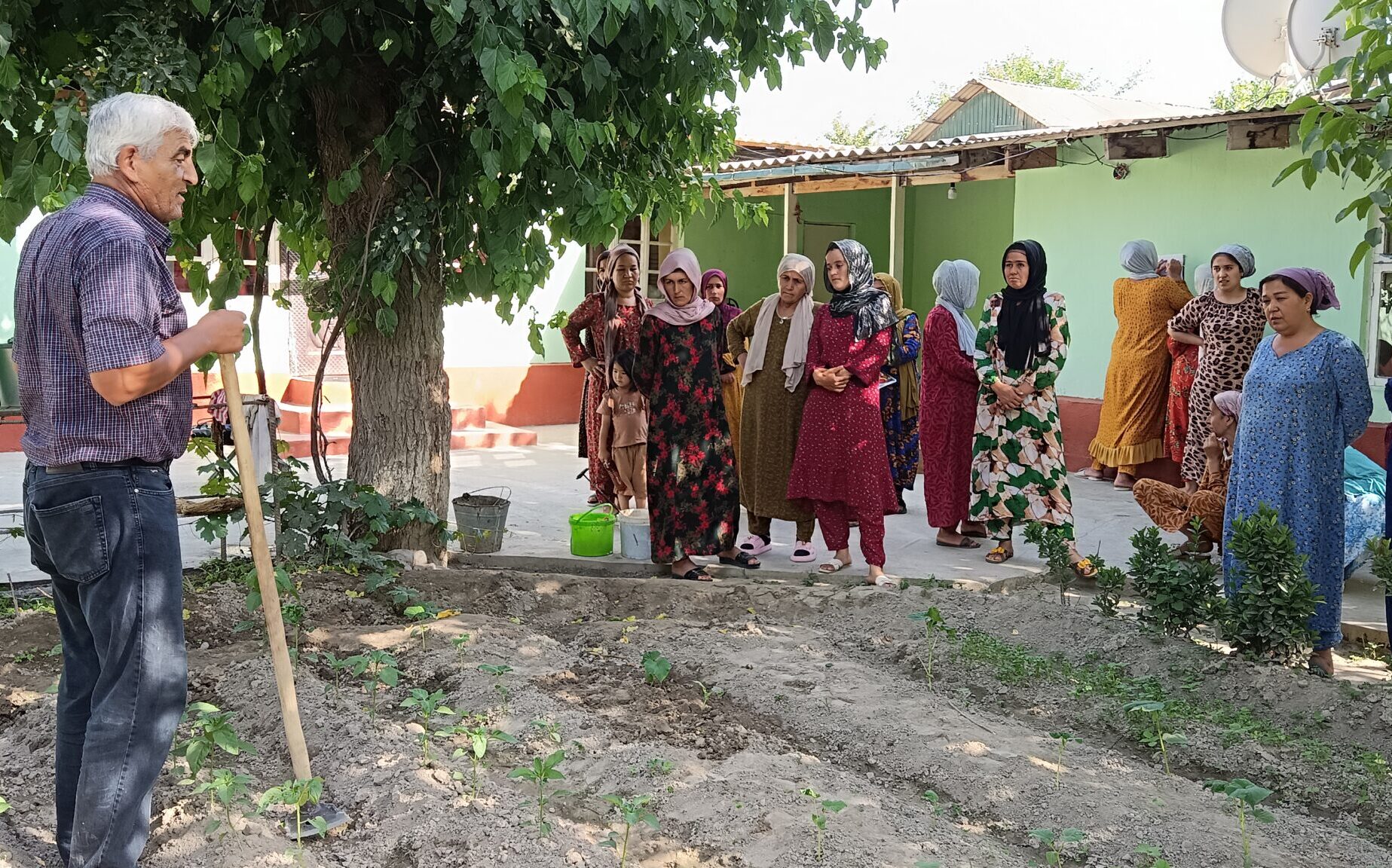
To conserve the native flora and kindle the community’s ancestral connection to agrobiodiversity, local NGO Dunyoi Muhabbat designed a community-centered process to strengthen women farmers’ leadership and skills with native crops. The women farmers studied regional agricultural biodiversity, as well as organic and traditional farming techniques, using their new skills to plant community-owned collection gardens of local fruit trees and a demonstration field for the cultivation of local legume varieties. Once trained in sustainable management of these native plants, the women established community-level seed banks to ensure the survival of many endangered species for years to come.
Dunyoi Muhabbat’s efforts are part of a growing international movement to conserve agricultural biodiversity. Across the world, from Liberia to Tonga, the Global Greengrants network, including partners like Fondo Acción Solidaria (FASOL) and Samdhana Institute, has supported dozens of grassroots groups to establish and maintain seed banks. Though often not working directly together, these efforts are deeply interconnected, fostering a global culture of conservation and a web of communities reinvigorating connection with local agrobiodiversity.
Thanks to the efforts of Dunyoi Muhabbat, women farmers in Taginamak and Oriyono have stepped into a pivotal role as custodians of the local flora and fauna—and their communities’ connection to the land. They’ve established systems that will ensure the long-term survival of many Tajik plant species and restore and preserve environmental equilibrium. Their efforts, though centered on their villages, are one small step in a global effort to offset the harms of extractive agricultural industries and to instead foster agroecological cultures that center on sustainability, biological diversity, and community connection with the land.
Reweaving the Web—Together
The stories above highlight how conservation efforts are most effective when led by the communities living beside local biodiversity for generations. They know which plants thrive best rooted together, which animal migration routes drive pivotal ecological processes, and, most importantly, how humanity can coexist as part of local biodiversity, upholding the stability of interspecies relationships—both regionally and globally.
As funders, it is critical that we recognize the importance of and prioritize support for these grassroots conservation efforts. With international solidarity, respect for their rights, and sufficient resources, communities have the knowledge and the power to reweave Earth’s fragile web of biodiversity, restore balance, and ensure just and sustainable futures.