
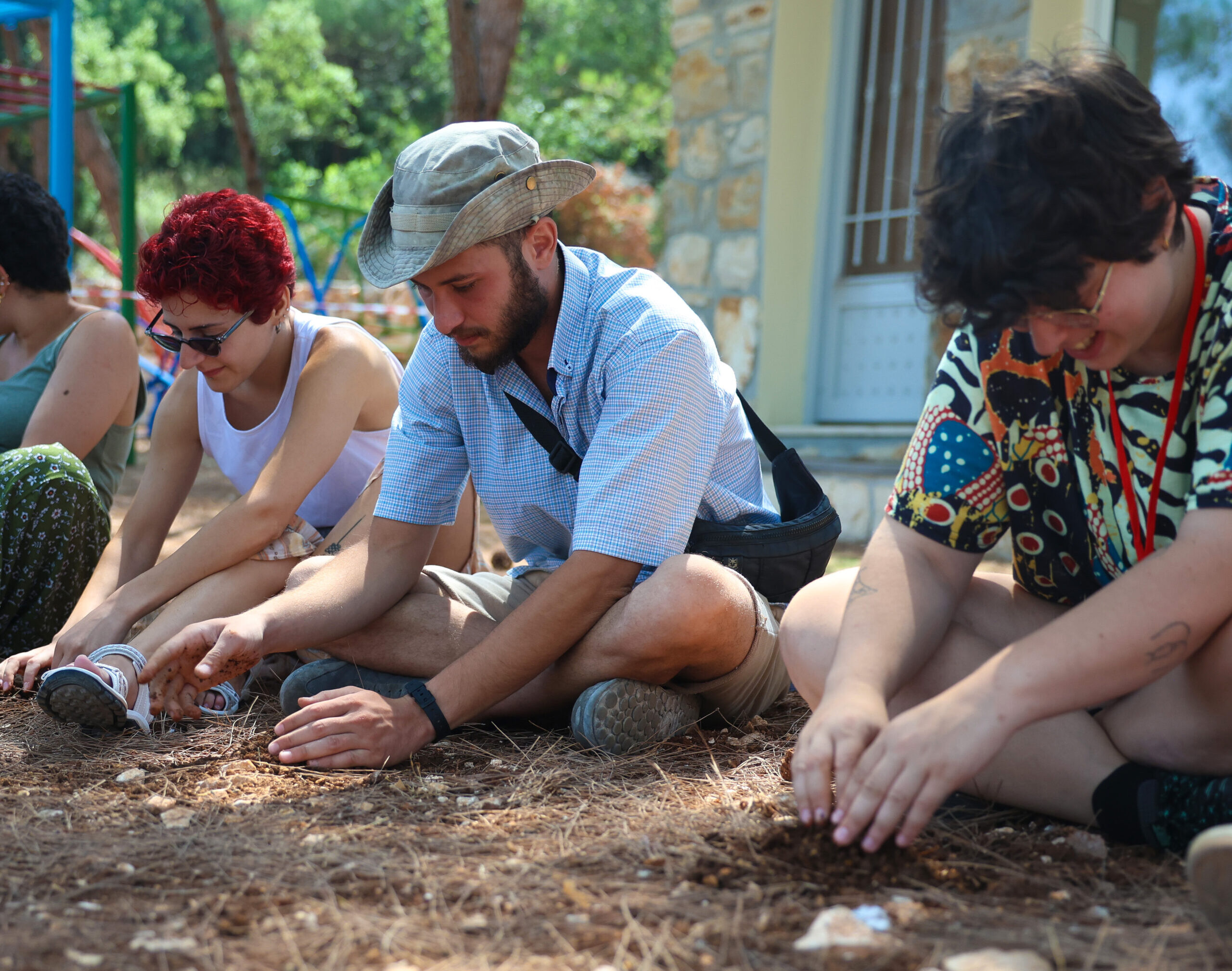
“Young leaders continue to show that meaningful climate action grows from relationships of trust, care, and mutual learning. Their work reminds us that social transformation is strongest when generations collaborate rather than compete.”
—Winnie Asiti and Júlia de Marins, Board Coordinator and Learning Coordinator, Next Generation Climate Board
For climate philanthropy, supporting youth is nonnegotiable—youth leadership is core movement infrastructure.
Around the world, young people are already organizing, innovating, and building solutions to some of the most urgent challenges facing their communities. Indigenous youth are carrying forward ecological and cultural knowledge while adapting it to changing conditions. Young women and gender-diverse leaders are connecting climate justice with struggles for gender equity and human rights. Youth with disabilities are pushing movements to become more inclusive. Across these efforts, young people are not simply preparing to lead in the future—they are shaping climate action now.
And they are not doing so alone. The strongest movements span generations, creating space for knowledge, experience, and new ideas to move in multiple directions. Young leaders build on what came before while questioning approaches that no longer serve their communities and developing responses to rapidly changing political, social, and environmental realities.
The question for philanthropy, then, is not whether young people are ready to lead. It is whether funders are willing to invest in the conditions that allow their leadership to flourish: flexible resources, meaningful decision-making power, strong relationships, opportunities to experiment, and networks through which learning and solidarity can grow.
Since 2013, Global Greengrants Fund has sought to do just that through the Next Generation Climate Board (NGCB), a global group of youth advisors with deep connections to youth-led climate organizing in their regions. The NGCB is part of a wider commitment across the Global Greengrants advisory network to put resources and decision-making power closer to young people and the movements they are building. In 2025 alone, our advisory network made more than $4 million in youth-centered climate justice grants across 88 countries.
The results offer a glimpse of what becomes possible when youth leadership is treated not as a future investment, but as essential infrastructure for movements today—from locally designed climate adaptation in Bangladesh, to cross-movement solidarity in Latin America, to youth-led environmental solutions in Rwanda.
Here are three examples of young people building climate solutions—and what their work can teach philanthropy about investing for the long term.
Youth-Led Community Climate Resilience in Bangladesh
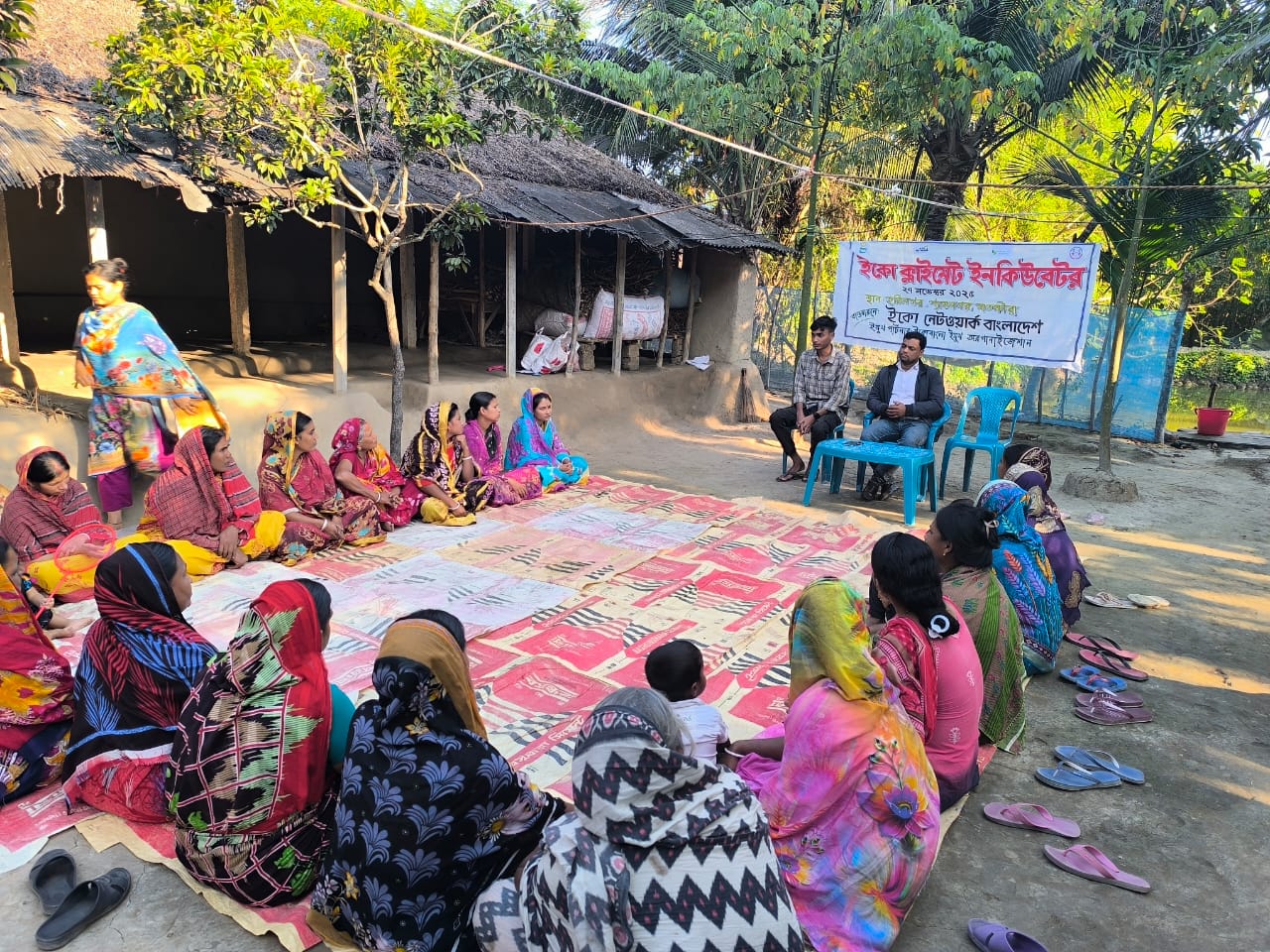
Home to the largest river delta in the world, Bangladesh is known for its critical wetlands, including the Sundarbans, the world’s largest mangrove forest covering hundreds of thousands of hectares of swamps and trees.
Bangladesh’s wetlands are vital to our global ecosystemic equilibrium—as critical carbon sinks, as bastions of biodiversity, and as homelands for the world’s eighth most populous country. Yet the features that make Bangladesh distinct and valuable also make the region particularly vulnerable during today’s global climate crisis. Already, coastal families are navigating increased salinity, farmers are facing shifting seasons, heatwaves and cyclones are intensifying, and impending sea level rise could displace millions of Bangladesh’s people by 2050.
To turn the tide, the NGCB has supported two Bangladesh organizations—
Eco-Network Global and She4Climate—to bolster the climate leadership of youth in the communities most impacted, particularly women, Indigenous Peoples, coastal communities, and peoples with disabilities. Thanks to their support, youth are already taking action to adapt to their shifting reality.
Through their ECO Climate Hub program, Eco-Network Global mentored 25 youth fellows from climate-vulnerable areas, providing training on climate science, sustainable agriculture, project management, and leadership. Many then received seed funding to put that learning into practice in their communities.
Their solutions reflect the challenges they encounter firsthand. Fellows established vertical salt-resilient gardens to strengthen food security in increasingly difficult growing conditions. Others worked with coastal women on forest seed preservation, sapling production, and nurseries—linking ecosystem restoration with greater economic resilience.
She4Climate focused specifically on strengthening the leadership of young women. Twenty-six fellows from eleven climate-stressed regions participated in an intensive learning program spanning climate science, adaptation, climate finance, renewable energy, just transition, and gender-responsive climate action, including opportunities to see practical climate solutions firsthand.
Participants brought what they learned back to their communities, facilitating conversations with students, women, Indigenous Peoples, and other marginalized groups about how climate change is affecting their daily lives and what practical responses are possible. Collectively, these activities reached an estimated 2,000 people while building relationships among young leaders, schools, grassroots organizations, and other local stakeholders.
These efforts show what can happen when young people have both knowledge and the resources to act on it. A fellowship can become a salt-resilient garden. Training can lead to a community conversation. Seed funding can give a locally designed idea the chance to take root and be shared.
Over more than a decade, the NGCB has supported youth-led environmental awareness campaigns, environmental monitoring led by Indigenous youth, leadership training for young Indigenous women, and other youth-led efforts across Bangladesh. Together, they are contributing to an ecosystem of leadership, relationships, and locally rooted innovation that can help communities adapt to a changing climate over the long term.
For philanthropy, the lesson is simple: investing in youth leadership means investing not only in young people’s potential, but in their ability to build solutions now.
Stronger Together: Building Youth Movement Interconnections in Latin America
Across Latin America, young people—particularly those from Indigenous, rural, Afro-descendant, and coastal communities—are organizing at the intersections of climate justice, territorial rights, livelihoods, and social and economic inequality. Yet despite their central role in these movements, youth are often excluded from the decision-making spaces, resources, and relationships that can strengthen their ability to organize and act collectively.
Roots is working to change that by investing in something movements need to endure: relationships.
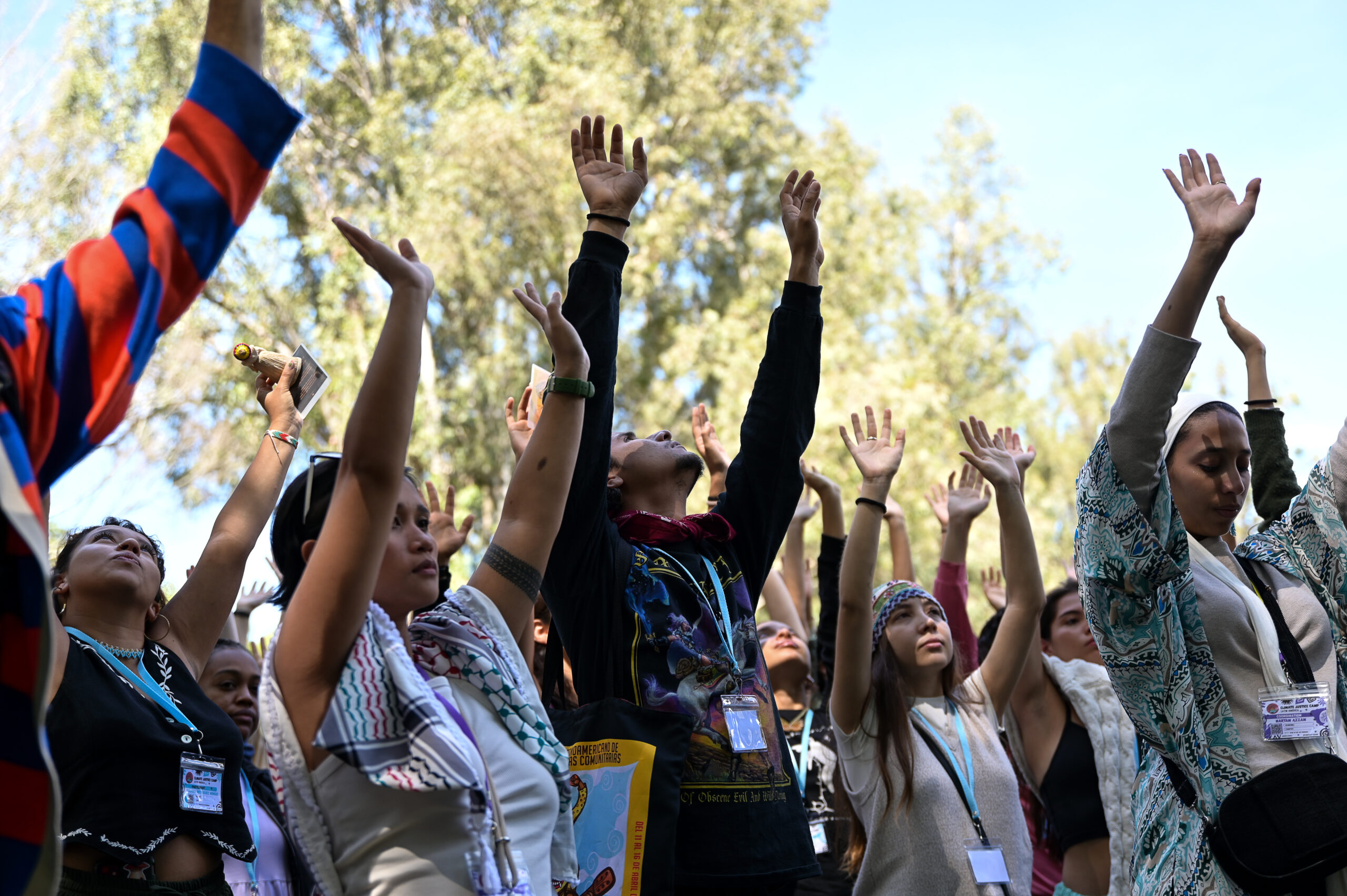
Through the fourth Climate Justice Camp—and the first held in Latin America—Roots brought together 200 young leaders, activists, and advocates from 32 countries across the Global Majority for five days in Mexico. Through strategy discussions, workshops, storytelling, and relationship-building, participants explored the social and political roots of the climate crisis while exchanging knowledge across movements, communities, and geographies.
Indigenous knowledge played a particularly prominent role in the gathering, helping participants deepen connections between climate change, culture, land, rights, and other struggles. Rather than approaching climate as a stand-alone issue, participants developed a stronger collective understanding of both the forces driving today’s environmental crises and the solutions already emerging from communities.
But some of the most important outcomes were not confined to the formal sessions. As Roots organizer Bianca Castro shared in an interview with Global Greengrants during COP30, participants left with new cross-movement relationships, stronger advocacy skills, and renewed connections to purpose—resources they can continue drawing on long after the gathering itself has ended.
That matters because movements are sustained not only by campaigns, organizations, or individual leaders, but by the relationships between them. Spaces like the Climate Justice Camp allow young people to learn from one another, recognize connections across seemingly different struggles, build solidarity across borders, and create networks that can respond collectively as conditions change.
For philanthropy, this points to an important form of movement infrastructure that can be difficult to quantify but is essential to long-term change. Funding convening, relationship-building, peer learning, and collective strategy is not ancillary to climate action. It is part of what makes sustained climate action possible.
When young leaders have the space and resources to build relationships across movements and geographies, philanthropy isn’t simply supporting individual leaders. It is helping strengthen the connective tissue movements need to learn, adapt, collaborate, and endure.
Securing Sustainable Futures in Rwanda
In Rwanda’s mountainous Musanze region, communities are navigating interconnected environmental challenges, including land degradation, soil erosion, waste management, and climate-related disruptions to agriculture and local livelihoods.
Yet opportunities for young people to shape responses to these challenges remain limited, particularly in rural areas like Musanze. Environmental education is often theoretical, with few opportunities for students to apply what they learn to the issues affecting their own communities.
The Green Schools Youth Ambassadors Initiative (GSYAI), with support from the NGCB, is helping bridge that gap by creating opportunities for young people to move from environmental learning to environmental leadership.
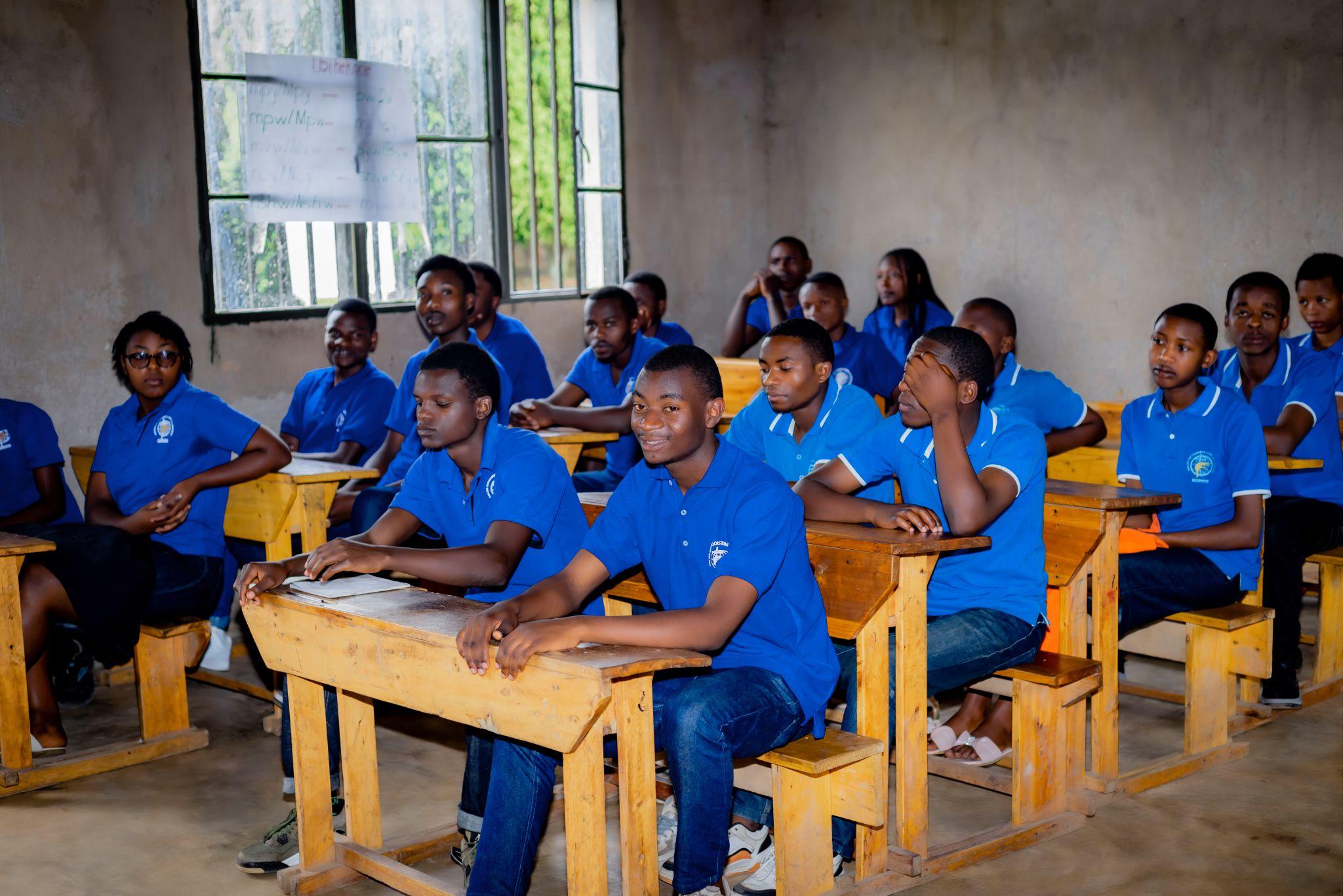
Through an Inter-school Green Innovation Challenge, GSYAI brought together more than 300 students from three Musanze schools for environmental education, leadership development, and debate training. Students then put those skills into practice, developing evidence-based arguments and proposing solutions to environmental challenges affecting their communities.
Their debates tackled tangible issues: reducing and recycling plastic waste, using climate-smart agriculture to strengthen food security, conserving water and harvesting rainwater, and expanding the role of young people in environmental protection. Organizers saw participants grow in confidence and critical thinking, but perhaps the clearest measure of impact came from the young people themselves. As one student reflected:
“I never thought young people could influence environmental decisions. This project showed me that our ideas matter. I now want to pursue environmental science and continue advocating for sustainable practices.”
The shift captured in that reflection is important. The challenge is not a lack of ideas or interest among young people. It is whether they have opportunities to develop their skills, test their ideas, and experience themselves as people with the power to shape decisions affecting their communities.
And the Green Innovation Challenge is part of a broader ecosystem of youth action. Since 2022, the NGCB has supported groups in Rwanda creating intergenerational environmental dialogues with elders, youth-led community education on plastic pollution in the Kivu Lakes, boot camps for young climate leaders in Rwanda’s Western Province, and other opportunities for young people to learn, organize, and lead.
For philanthropy, the lesson is to recognize youth’s capacity to lead today—and invest in the opportunities, resources, and decision-making power that allow them to do so.
Investing in Our Collective Future
Across these stories, young people are showing what becomes possible when they have the resources, relationships, and opportunities to act on the knowledge and ideas they already hold.
In Bangladesh, young leaders are translating learning into practical solutions that strengthen their communities. Across Latin America, they are building relationships and networks that allow movements to learn from one another and act collectively. And in Rwanda, young people are gaining opportunities to put their ideas into practice and experience themselves as people with the power to shape environmental decisions.
For philanthropy, these examples point toward a broader approach to investing in youth. It means moving resources directly to youth-led and youth-centered organizations and giving young people meaningful roles in deciding how those resources are used. It means funding experimentation and locally designed solutions, as well as the convenings, mentorship, peer learning, and relationships that help movements endure. And it means providing sustained support rather than treating youth engagement as a one-time investment or a pipeline for future leadership.
It also means investing in intergenerational movements where knowledge and learning move in multiple directions. Young people do not simply inherit movements from those who came before them. They bring their own knowledge, lived experience, questions, and imagination—building on what previous generations have learned while creating new responses to the realities their communities face today.
If philanthropy is serious about long-term climate justice, supporting youth cannot be an add-on. Youth leadership is core movement infrastructure—and investing in the conditions that allow it to flourish strengthens our collective capacity to build more just, resilient, and sustainable futures.