Blog

A Vote to Protect Yasuní National Park in Ecuador

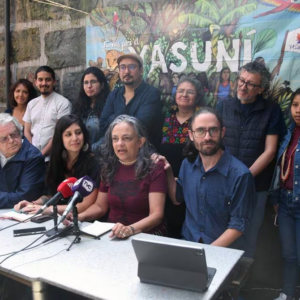
In August 2023, the population of Ecuador voted through a national referendum to halt all current and future oil extraction in Yasuní National Park. Soon after the referendum, Global Greengrants Fund spoke to Esperanza Martínez from grantee partner Acción Ecológica to learn more about the referendum—both the years of collective organizing that lead up to […]

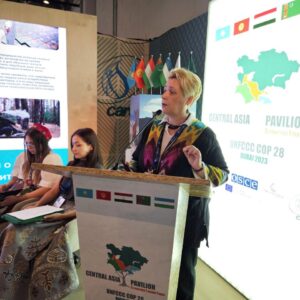
COP28 Reflections: A Dance Between Progress and False Promises

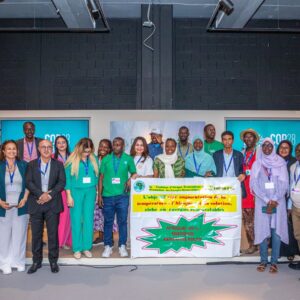
By Nerissa Anku, Just Energy Transition Coordinator In my capacity as Global Greengrants Fund (GGF)’s Coordinator for a Just Energy Transition, I was honored to join fellow representatives from our global network of grassroots groups at COP28. Convened in the United Arab Emirates last December, COP28 drew over 83,000 participants into a critical dialogue on […]

Food sovereignty for persons with disabilities in Sinduadi, Indonesia

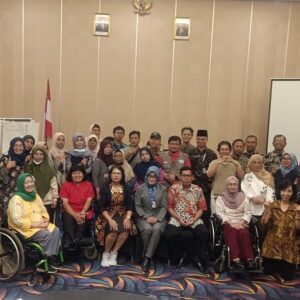
The Disability Rights and Climate Justice (DRCJ) Advisory Board at Global Greengrants Fund is a global board founded in 2022 that encourages intersectional connections between disability rights and climate justice movements. In this blog series, we hear directly from those grantee partners, digging deeper into their contexts, their strategies for supporting disability rights and environmental justice, and […]

Loss and Damage: Lessons from our grantee in Pakistan on respecting grassroots leadership

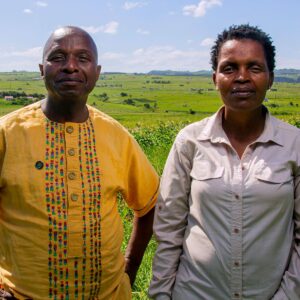
The flooding that occurred in Pakistan from June to October 2022 was the most severe and expensive flood disaster in Pakistan’s history, and also one of the most costly worldwide. Severe heatwaves linked to climate change caused unusually heavy monsoons and glacial melt that left a third of the country flooded, causing significant challenges for […]

Unmasking the Controversy: The Context and Battle Over Loss and Damage in Climate Change

By Shena Cavallo, Philanthropic Partnerships Officer For decades, small-island and Global South nations have expressed climate change concerns, fearing rising seas could destroy their homes. They view UN climate negotiations as a way to secure funds from those they hold responsible for climate change. Yet, many developed countries resist financial responsibility. As the climate crisis […]

Privacy notice: our site uses cookies for analytics, tracking, and site improvement purposes. By continuing to use our site, you agree to our use of cookies. For more information, see our privacy policy.

The cookie settings on this website are set to "allow cookies" to give you the best browsing experience possible. If you continue to use this website without changing your cookie settings or you click "Accept" below then you are consenting to this.

Close