
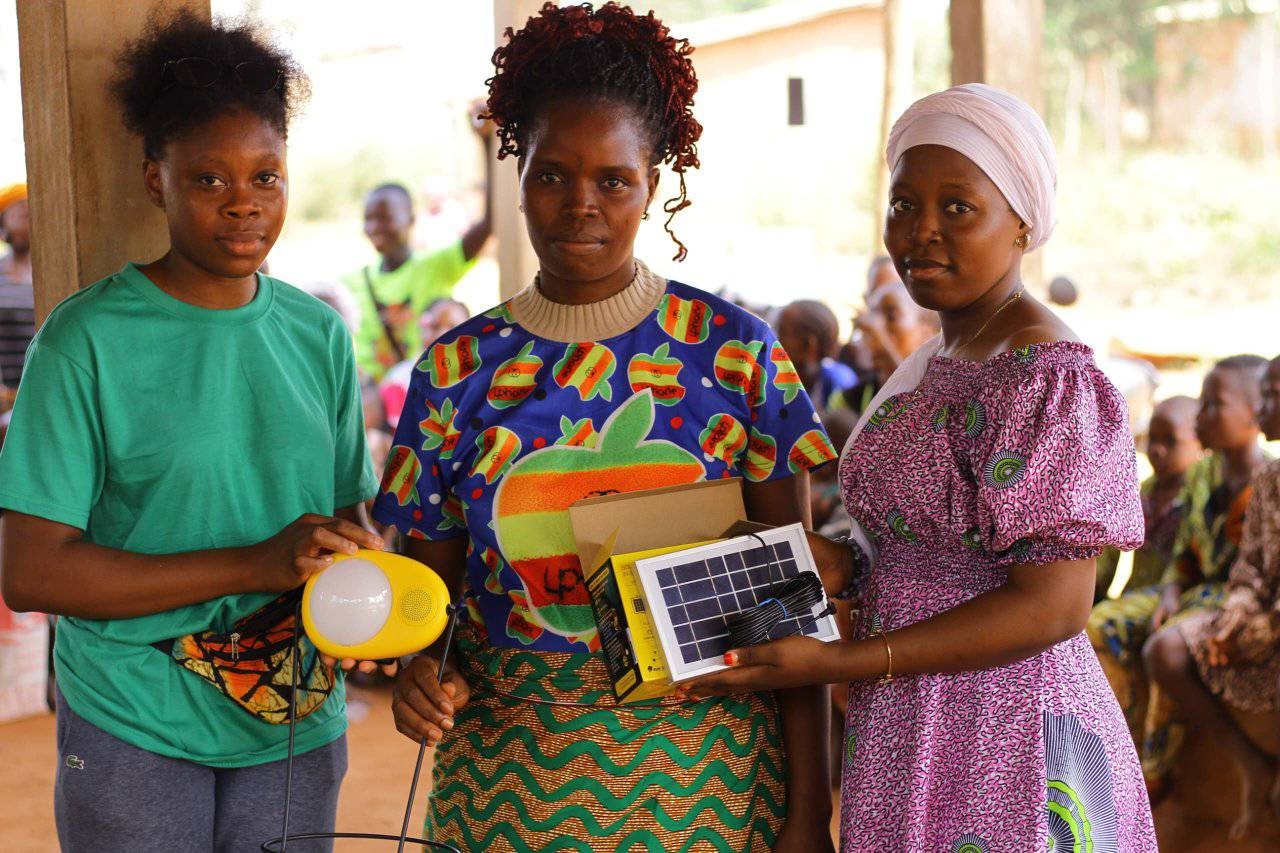
“Achieving a just transition must go beyond simple technology replacement to renewable resources, encompassing comprehensive remediation of the historical damage caused by mining. This includes restoring affected ecosystems, ensuring health programs that address the after-effects of pollution, and a labor transition that diversifies economic opportunities for local communities. All of this must be done with the active and binding participation of the communities, respecting their cultural diversity and recognizing the environmental knowledge that has been essential for the sustainability of the territory.” – Censat Agua Viva
Around the world, communities on the frontlines of climate collapse are not waiting for governments, markets, or philanthropy to catch up. They are already building the future.
From Indigenous land defenders protecting forests and water from extraction to women-led movements advancing community-owned renewable energy, grassroots groups are confronting not only the accelerating impacts of climate change but the economic systems driving it. Across regions, people most affected by environmental harm are leading bold transitions rooted in dignity, reciprocity, and collective care for land, water, and future generations.
At the heart of this work is a just energy transition: a shift away from fossil-fuel-driven economies built on extraction and sacrifice toward regenerative systems that prioritize community power, ecological repair, and shared well-being.
This transition is not theoretical. It is already underway.
And at a moment when political backsliding, corporate greenwashing, and escalating climate disasters threaten to deepen global inequality, the role of philanthropy has never been clearer. Climate and environmental justice funders must do more than support technical solutions—they must stand with the movements transforming the conditions that created the crisis in the first place.
For more than thirty years, Global Greengrants Fund has moved resources to communities advancing this work on their own terms—from supporting resistance to harmful mining in La Guajira, Colombia, to the rightful stewardship of land and resources in Zambia, to resourcing people-powered organizing against gold mining in Maraldy, Kazakhstan.
The stories below offer a glimpse into movements building fossil-fuel-free futures grounded not in extraction and disposability, but in relationship, resilience, and care. Alongside thousands of grassroots groups around the world, they are showing what a truly just transition can look like—and why the time to invest in it is now.
Sustainable Economic Resilience in Zambia’s Copperbelt
The Copperbelt region, stretching from Zambia to the Democratic Republic of Congo (DRC), is a mountainous area with the second-largest copper reserve in the world, as well as a wealth of other minerals like emerald and silica. The mineral-rich land has been the backbone of the regional culture and economy for generations, including centuries of mineral harvesting in harmony with local ecosystems.
With the 19th-century arrival of Europeans, the Copperbelt became a key economic center for the global mineral trade; however, a crash in the global value of copper in the late 20th century collapsed this system. Local communities, who’d become dependent on the mines for economic survival, were left with few alternatives and resorted to illegal mining to survive. Meanwhile, limited knowledge of environmental and human rights has constrained the local community’s ability to shape the future of their livelihoods and lands—and their power to address the heavy environmental toll of decades of unsustainable mining.
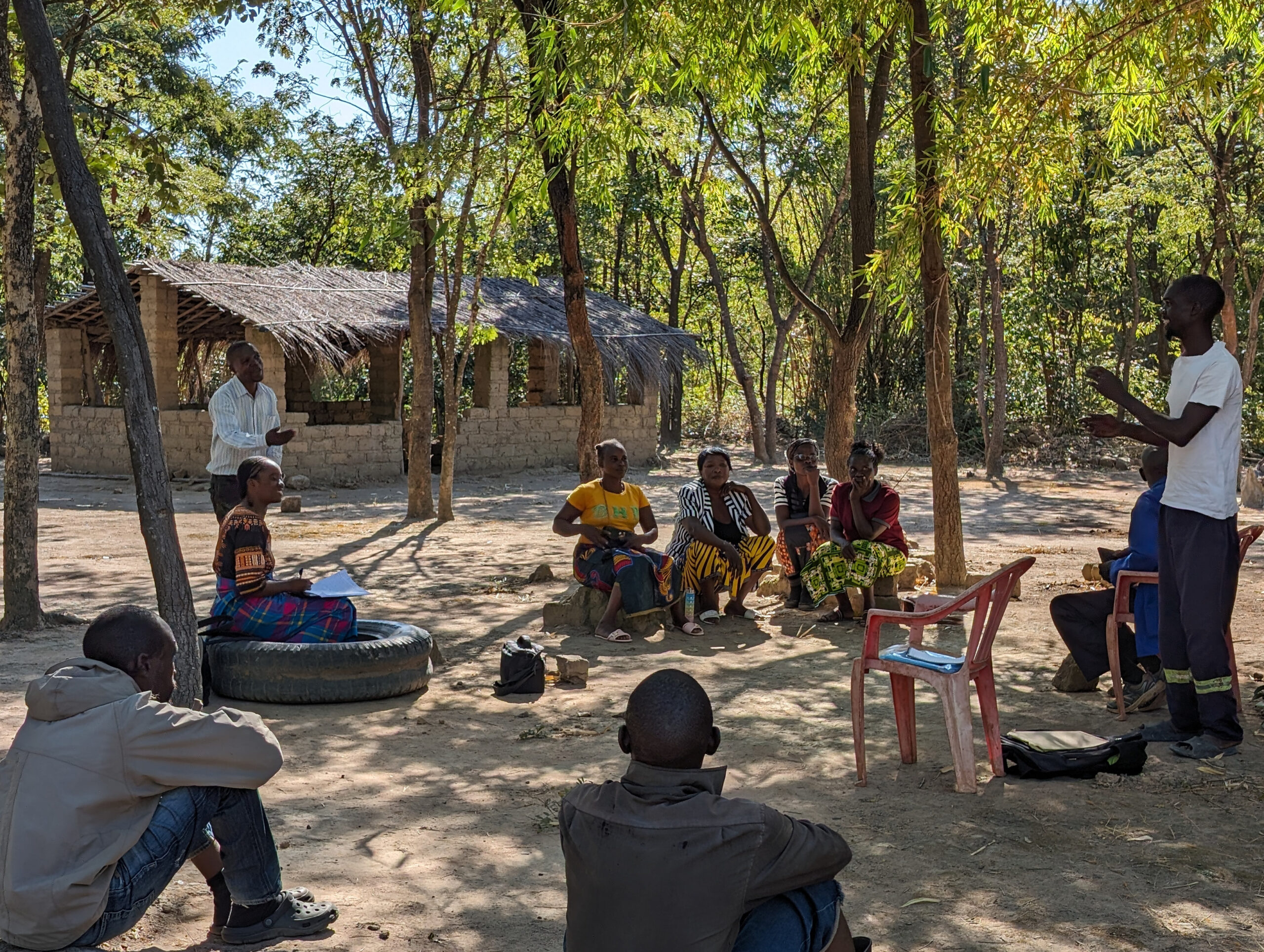
Recognizing that true environmental justice and economic equality cannot be achieved without local participation, Future-Preneurs Zambia (FPZ) embarked on a powerful mission—to help Copperbelt people take up their rightful stewardship of land and resources. Working in the towns of Chingola, Mufulira, and Kalulushi, FPZ hosted community-centered focus groups and workshops on local environmental and economic rights, advocacy strategies, and tools to document mining-related environmental impacts.
The impact has spread across the region in deeply tangible ways. In Mufulira, women who once depended on dangerous and illegal silica mining to survive came together through trainings on entrepreneurship, financial management, and rights awareness—and transformed their conditions collectively. They formed a cooperative, secured a mining license, and reclaimed control over local silica mining, creating a model rooted in both environmental stewardship and economic dignity for women miners.
In Chingola, farmers living with the devastating impacts of mining pollution on their crops, water, and livelihoods turned knowledge into action. After participating in environmental justice trainings, they partnered with local media to document the contamination affecting their communities and brought their evidence directly to a nearby mining company—shifting from invisibility and harm toward collective accountability and resistance.
FPZ is one of more than a dozen grassroots groups that Global Greengrants has supported across Zambia’s Copperbelt, reimagining what comes after extraction. Together, they are building the foundations for futures rooted not in sacrifice and dependency, but in community power, ecological repair, and collective care. From strengthening agroecological food systems to advancing community-managed clean energy to equipping people with the tools to defend their rights, these movements are reclaiming local control over land, resources, and possibility itself.
The work of FPZ and its allies extends far beyond the Copperbelt. It offers a powerful challenge to economic systems that continue to treat communities and ecosystems as expendable in the pursuit of profit. In their place, these movements are advancing something profoundly different: locally rooted transitions shaped by the people most impacted, where participation, dignity, and ecological wellbeing are not afterthoughts, but the foundation of a livable future.
Futures Beyond Extractivism in La Guajira, Colombia
La Guajira is a peninsula in northern Colombia with miles of beaches, deserts, and rolling sand dunes. For centuries, Indigenous groups like the Wayuu have called La Guajira home, fishing and herding goats, sheep, and cattle with reverence for the interconnections between humanity and the land. Today, it is also home to significant peasant and Afro-descendent populations whose livelihoods are deeply intertwined with the health of local ecosystems.
In the last four decades, however, La Guajira has seen a swift expansion of extractive industries—most significantly thermal coal mining. This has diverted rivers, depleted water sources, brought pollution, and displaced families, leaving indelible marks on local ecosystems and the economic and cultural livelihoods of Wayuu, peasant, and Afro-descendent communities. With global shifts toward “green” technologies like solar panels and electric cars, La Guajira is also under threat from a surge in copper and lithium mining that could deepen environmental impacts.
Since 2001, Global Greengrants has supported Asociación Centro Nacional Salud Ambiente y Trabajo Agua Viva (Censat Agua Viva) to sow alternative social, economic, and environmental futures in La Guajira—from studying the impacts of mining on the region to acting as a key connection point between La Guajira and environmental movements in Latin America and the world, including at the recent Santa Marta Conference on Transitioning Away from Fossil Fuels. Censat Agua Viva has fomented a multipronged, long-arc strategy to heal mining-related damage and build the collective power of local communities needed for true transformation.
Over the past few years, Global Greengrants’ partnership with Censat Agua Viva has also helped ignite a growing movement across the region—one rooted in community knowledge, resistance to extractivism, and renewed relationships with land and water. Through regional learning exchanges on climate change, mining, agroecology, and energy alternatives, communities are not only imagining different futures but actively building them.
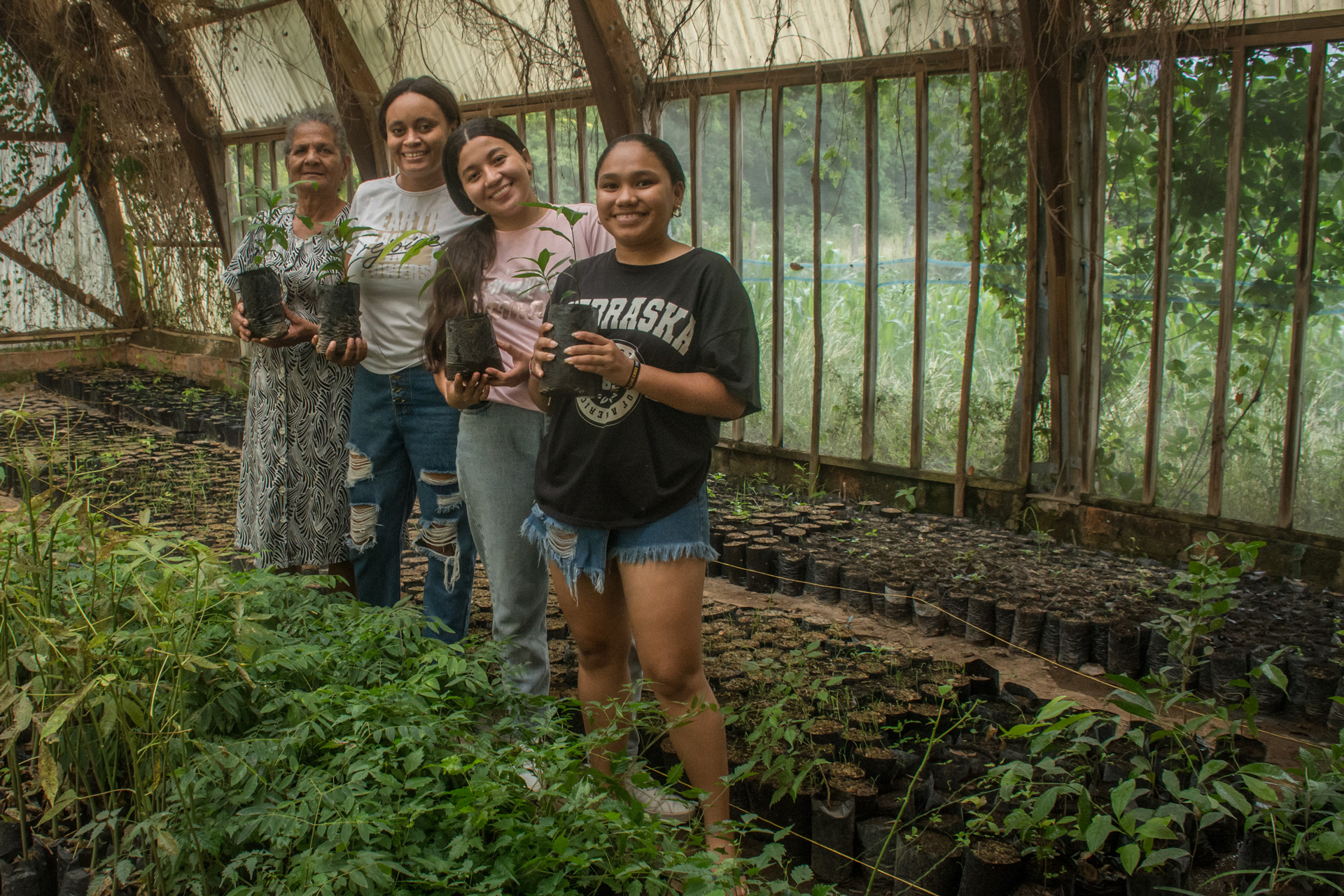
In one community, Wayuu women have revived traditional medicinal plants and ancestral practices nearly lost under the pressures of extraction, restoring both cultural connection and sustainable livelihoods beyond the mining economy. In another, a community council has transformed resistance into visibility and action—using territorial tours and public murals to draw international attention to the threats posed by a proposed mining project, while cultivating alternative local economies through a community nursery.
This is what a just transition looks like in practice: not a distant policy framework, but communities reclaiming power, restoring ecosystems, defending human rights, and creating ways of living rooted in reciprocity instead of extraction. Censat Agua Viva and its partners are not waiting for permission to build a different future. They are already planting it into the ground.
Community Environmental Resistance in Maraldy, Kazakhstan
The village of Maraldy is situated near the Altai Mountains of East Kazakhstan. It is a picturesque region of mountains, forests, and rivers known for its fertile lands and rich mineral deposits. The area is also home to a sensitive water system of springs and rich ecological diversity, including rare species of rhubarb and grayling fish. For generations, the people of Maraldy have been beekeepers and livestock herders, their lives intrinsically intertwined with local ecosystems.
With rising global demand for gold, however, the region’s mineral wealth has come at a significant cost—Kazakhstan has become a key gold-mining epicenter, including in Maraldy, where gold mining began in 2022. Open-pit mining near Maraldy has had detrimental impacts, including air and water pollution and the destruction of the ecosystems the people of Maraldy depend on.
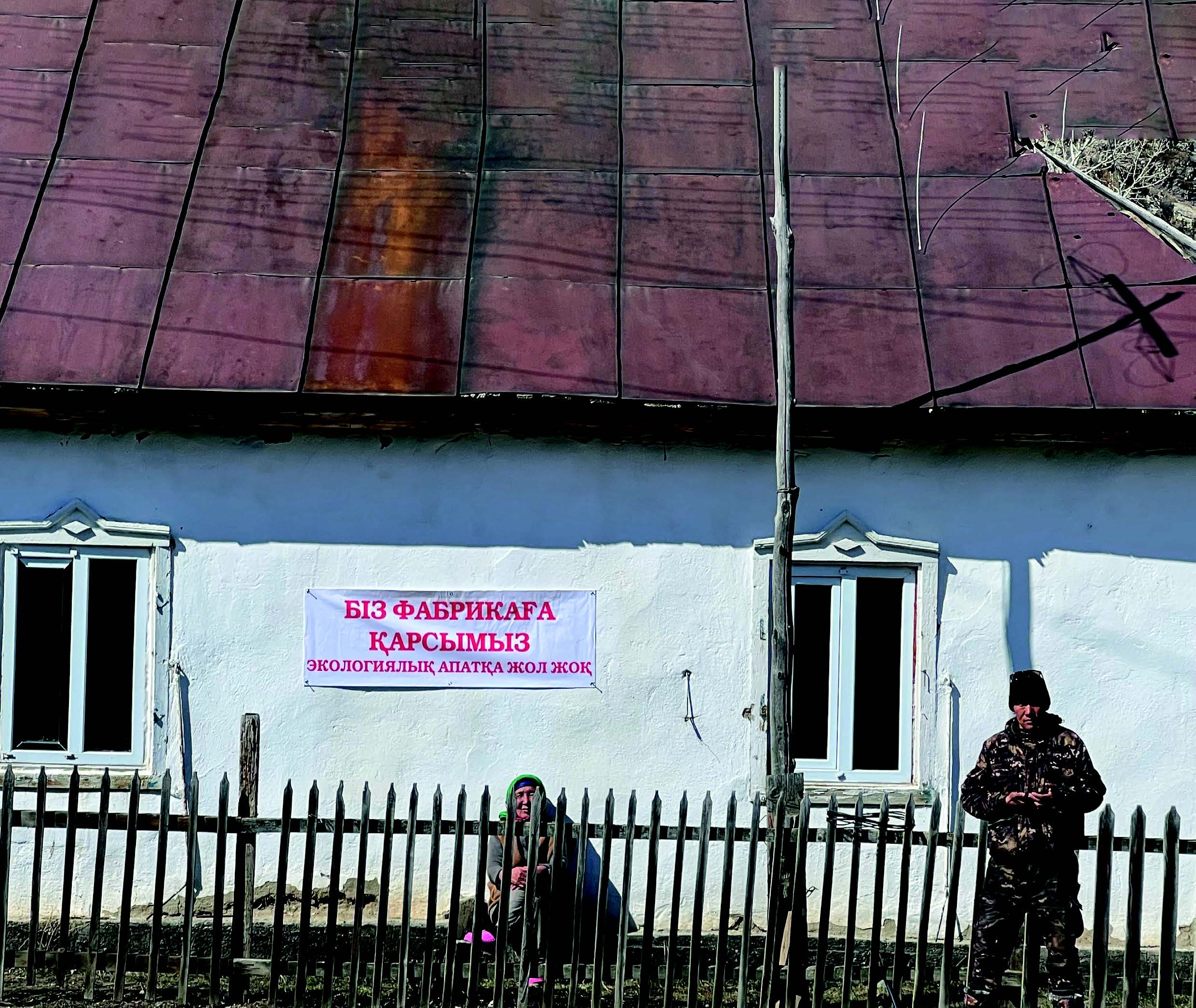
Yet the Maraldy community, united by their love for the land that raised them, has fought back. With Global Greengrants’ support, the Maraldy SOS initiative brought experts in ecology and mining to their village to learn more about the potential environmental harms and biodiversity impacts of their local mine. They used this knowledge to raise national and international awareness of the mine’s impacts, publishing articles in key Kazakh media outlets and posting informational videos on social media. They also mobilized local community members for critical on-the-ground protests to put even more pressure on mining company owners—including a visit by more than 100 villagers to the gold mining site to film a video advocating for the mine’s suspension, an effort for which several people faced detention.
While the gold mine near Maraldy continues to operate, the people of Maraldy have sent the mining company a pivotal message—the land is invaluable and not up for sacrifice. Even more significant, however, are the impacts the Maraldy SOS campaign has had on the community, who have built a surge of solidarity that will bolster their continued efforts against extractivism.
The campaign is one of many efforts Global Greengrants has supported across Central Asia to challenge environmentally harmful development projects and reinforce community autonomy and power. From monitoring local environmental impacts of mining in Kyrgyzstan to analyzing the impacts of planned green hydrogen projects on local biodiversity in Kazakhstan, their collective efforts form a network of decentralized yet interconnected efforts to ensure a slowdown of extractive development and a scale-up of just and sustainable systems.
Amidst this wider movement, the Maraldy SOS campaign is not only a critical beacon of solidarity and resistance for Kazakhstan but also an important model for community mobilization against extractivism and for putting people—not profit—at the center of economic development.
Funding the Movements Building a Just Transition
The scale and complexity of the climate crisis demand approaches that are adaptive, locally informed, and deeply accountable to frontline communities. Global Greengrants Fund’s decentralized grantmaking model offers a powerful alternative to traditional philanthropy by channeling resources through trusted regional networks with deep knowledge of local realities, relationships, and movement ecosystems. This model enables philanthropy to reach emerging grassroots leadership, respond to rapidly changing conditions, and support long-term systems transformation—not just isolated projects.
As climate philanthropy looks toward the next decade of action, there is a growing opportunity to invest in the infrastructure of community-led change itself. The movements advancing just transitions around the world already hold the vision, strategies, and solutions needed for a more equitable future. What they need now is sustained partnership and resourcing at the scale this moment demands.
*
Movement stories in this blog are summarized from participatory research conducted in collaboration with all grantee partners named.