Category: Analysis

Rethinking Conservation: Power, Rights and Locally Led Solutions

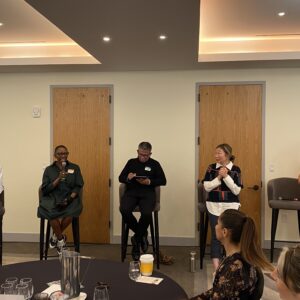
  During Climate Week NYC 2026, Global Greengrants Fund and the David and Lucile Packard Foundation brought together Indigenous leaders, grassroots funders, conservation practitioners, and philanthropy to explore a fundamental question: What would conservation look like if human rights, community power, and locally led solutions were treated as essential to environmental success? The conversation, Rethinking […]
The Living Infrastructure of Change

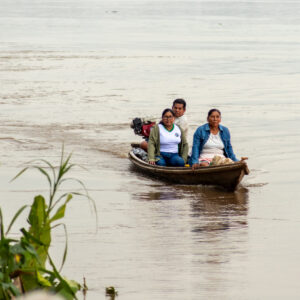
By Laura García, President & CEO, Global Greengrants Fund   Philanthropy often behaves as though change begins where it becomes visible. Living systems tell a different story. A river does not begin at its mouth. It is sustained by countless tributaries—some visible, others hidden—whose relationships give the whole its strength. Watersheds remind us that resilience […]

The Earth’s Lungs: Community-Powered Forest Protection Around the World

  The world’s rainforests—from the Amazon to the Congo Basin to the Leuser Ecosystem—are Earth’s lungs.  Just as human lungs are essential to life, the Earth’s lungs are essential to the collective equilibrium of the planet and the beings that call it home—including humans. They absorb carbon dioxide, uphold essential ecosystems, and underscore the deep […]

Beyond Inclusion: Reimagining Climate Philanthropy Through Disability Justice

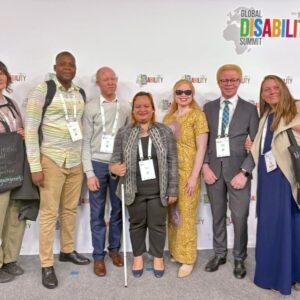
Co-written by Disability Rights Fund, Impatience Earth, and Global Greengrants Fund   The climate crisis is already reshaping lives and landscapes around the world. But as philanthropy races to fund climate mitigation, adaptation, and resilience, one critical truth remains too often overlooked: climate justice is impossible without disability justice. That was the central call emerging […]

Whose Knowledge Shapes the Future?

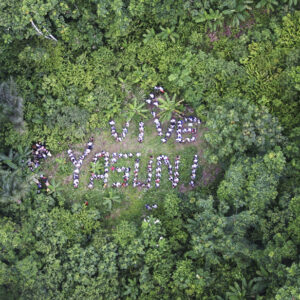
  At Global Greengrants Fund, we have learned through decades of partnership with grassroots movements that the most important knowledge rarely fits neatly into predetermined frameworks. It lives in relationships, in memory, in cultural practice, and in deep, place-based understanding. Sometimes, it takes a different kind of map to make that visible. In Ecuador’s Yasuní […]

Privacy notice: our site uses cookies for analytics, tracking, and site improvement purposes. By continuing to use our site, you agree to our use of cookies. For more information, see our privacy policy.

The cookie settings on this website are set to "allow cookies" to give you the best browsing experience possible. If you continue to use this website without changing your cookie settings or you click "Accept" below then you are consenting to this.

Close